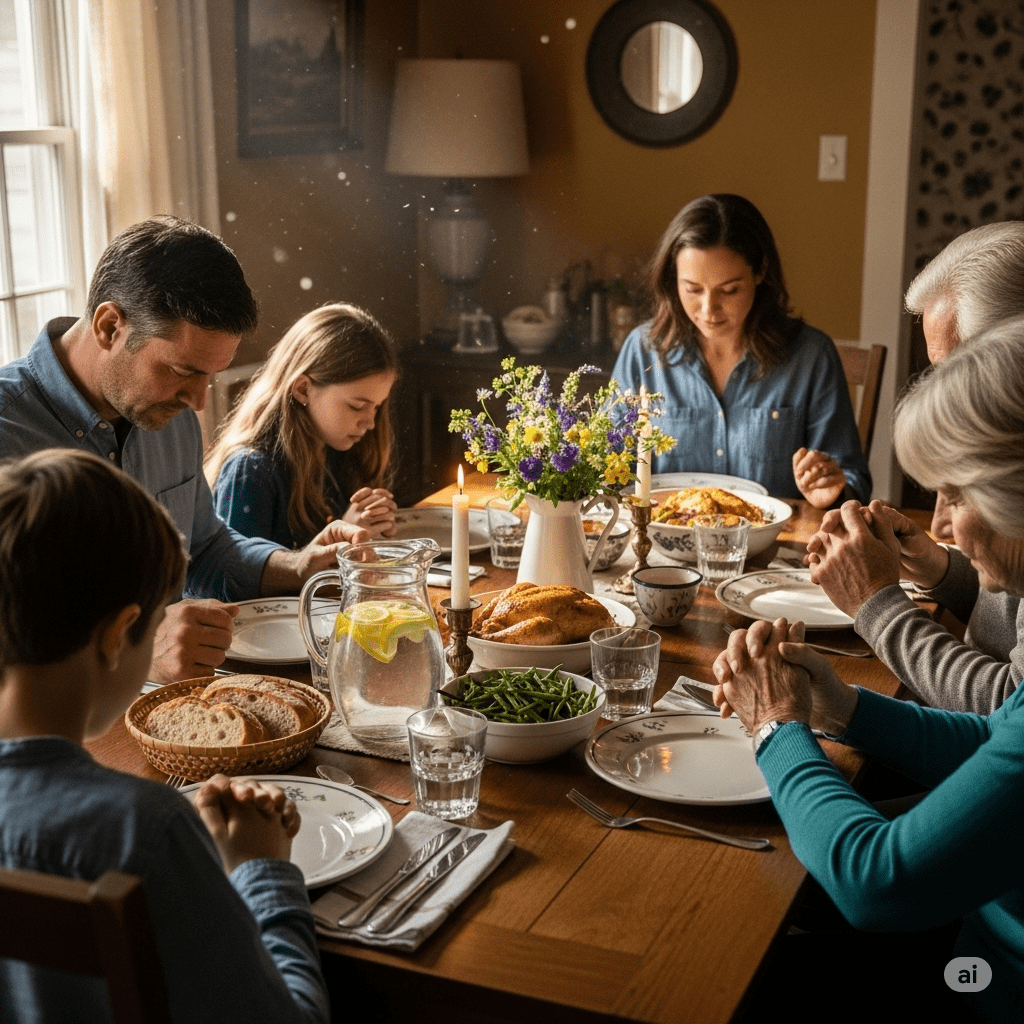
In a world full of distractions, are we raising children who truly know what they’re looking for?
John 1:35-42
As Christian parents, we live in the midst of constant motion—soccer practices, piano lessons, school projects, work deadlines, and household demands that never seem to end. But in the quiet moments, when the house finally settles and the children are asleep, a crucial question emerges: What are we really seeking in life? And perhaps even more importantly, what are we teaching our children to seek?
This question isn’t just about our personal spiritual journey, it’s about the legacy we’re building in the hearts and minds of the next generation. The answer will shape not only our own lives but the eternal destiny of our children and grandchildren.
The Question That Changes Everything
In John 1:35-42, we witness a powerful moment when John the Baptist points to Jesus and declares, “Behold, the Lamb of God!” Two disciples immediately begin following Jesus. But then something remarkable happens—Jesus turns to these followers and asks a question that every Christian parent needs to wrestle with: “What do you seek?”
This wasn’t casual conversation. Jesus was cutting to the heart of human motivation. He was asking about their deepest desires, their ultimate pursuits, the driving force behind their decisions. And He’s asking the same question of Christian families today.
As parents, we must ask ourselves: What are we seeking? What are we teaching our children to seek? Are we pursuing the things that matter for eternity, or are we caught up in the temporary pursuits that our culture celebrates?
What Our Culture Teaches Children to Seek
Before we can answer Jesus’ question honestly, we need to recognize what messages our children are receiving about what’s worth pursuing:
The Pursuit of Achievement
Our achievement-obsessed culture teaches children that their worth comes from their performance. From toddler enrichment classes to college prep pressure, children learn to seek validation through accomplishments rather than finding their identity in Christ.
The Pursuit of Pleasure
Entertainment, instant gratification, and comfort have become the primary goals for many young people. They’re taught to seek what feels good rather than what is good.
The Pursuit of Popularity
Social media has amplified the human desire for approval. Children learn to seek the approval of peers rather than the approval of their Heavenly Father.
The Pursuit of Possessions
Materialism promises happiness through acquisition. Children are taught to seek fulfillment through what they can buy rather than through their relationship with God.
As Christian parents, we must ask: Are we unconsciously reinforcing these worldly pursuits in our own homes?
The Disciples’ Response: A Model for Families
When Jesus asked “What do you seek?” the disciples didn’t give a quick, superficial answer. Instead, they asked, “Where are You staying?” They wanted to know where Jesus lived, where He spent His time, what His daily life looked like.
Jesus’ response was simple but profound: “Come, and you will see.”
The disciples then did something that offers a powerful model for Christian families—they spent the day with Jesus. They didn’t rush to judgment, didn’t settle for surface-level answers, but invested time in truly knowing Him.
This is exactly what Christian families need to do today. Instead of rushing through life, making assumptions about what we’re seeking, we need to intentionally spend time with Jesus as a family, allowing Him to show us what’s truly worth pursuing.
Creating Space for Your Family to Seek Jesus
Daily Family Devotions: Where Does Jesus “Stay” in Your Home?
Just as the disciples asked where Jesus was staying, we need to establish where Jesus “lives” in our family’s daily routine. This means creating consistent, protected time for family worship, Bible reading, and prayer—not as a burden, but as the highlight of your day.
Practical Ideas:
Morning family prayer before the day’s activities begin
Evening Bible reading where everyone shares one thing they learned about God
Extended Time: Family Retreats and Sabbath Keeping
The disciples spent an entire day with Jesus. Christian families need extended time together, away from distractions, to truly seek God’s heart for their lives.
Consider:
Family camping trips with no technology, focused on God’s creation and each other
Home retreats where the family spends a full day in worship, Bible study, and meaningful conversation
Service projects that allow the family to seek God through serving others
Teaching Children What’s Worth Seeking
Seeking God’s Will Over Personal Preference
In our culture of individualism, children are taught that their personal desires are paramount. Christian families must teach children to seek God’s will above their own preferences, demonstrating through family decisions that God’s wisdom is better than human wisdom.
Family Application:
Include children in decisions about where to live, what church to attend, and how to spend family resources, always asking “What would God want?”
When children face difficult choices, teach them to pray and seek biblical guidance rather than just following their feelings
Share stories of how God has guided your family in unexpected but good directions
Seeking Eternal Treasure Over Temporary Pleasure
Jesus taught that we should store up treasures in heaven rather than on earth. Christian parents must help children understand the difference between temporary pleasures and eternal rewards.
Practical Teaching:
Generous giving as a family, showing children that money is a tool for God’s kingdom
Sacrificial service that demonstrates love for others over personal comfort
Simple living that finds joy in relationships and God’s provision rather than material excess
Mission emphasis that helps children see beyond their immediate world to God’s global purposes
Seeking Depth Over Surface Experiences
In our instant-gratification culture, children rarely learn to appreciate depth and patience. The disciples’ willingness to spend a full day with Jesus teaches us the value of deep, sustained seeking.
Family Practices:
Deep Bible study that goes beyond surface-level lessons to wrestle with God’s truth
Meaningful traditions that create lasting memories and spiritual significance
Patient problem-solving that teaches children to seek God’s wisdom over time rather than demanding immediate answers
Contemplative practices like nature walks or quiet prayer time that develop spiritual sensitivity
The Cost and Reward of Counter-Cultural Seeking
Teaching children to seek Jesus above all else will often put your family at odds with cultural expectations:
Potential Costs:
Children may miss some opportunities because of family priorities
Other parents may question your family’s choices
Your children may feel different from their peers
Financial sacrifices may be required to maintain your values
Eternal Rewards:
Children who know their identity in Christ rather than in achievement
Young people who can navigate cultural pressures with biblical wisdom
Adults who prioritize relationships over success
A generational legacy of faithfulness to God
Jesus Still Asks the Question
The beautiful truth for Christian families is that Jesus is still asking, “What do you seek?” And He’s still saying, “Come, and you will see.”
But unlike the disciples, we don’t have to wonder where Jesus is staying. Through His Spirit, He lives in our homes, our churches, our daily lives. The question is whether we’re creating space for our families to truly seek Him and discover what He wants to show us.
Revelation 3:20 reminds us: “Behold, I stand at the door and knock; if anyone hears My voice and opens the door, I will come in to him and will dine with him, and he with Me.”
Jesus is knocking on the door of your family life. He wants to share intimate fellowship with you and your children. He wants to show you what’s truly worth seeking. The question is: Will you open the door? Will you make time and space to truly seek Him together?
This week, ask Jesus’ question in your own home: “What do you seek?”
Don’t settle for quick answers. Don’t assume you know what your children are really pursuing in their hearts. Create time and space for honest conversation. Spend extended time together seeking God’s heart for your family.
Consider planning a family retreat—even if it’s just an afternoon in your own living room with phones turned off and hearts turned toward heaven. Ask God to show yo
How God’s ancient command offers modern families the foundation for spiritual strength and lasting unity
Deuteronomy 5:12-15
In a world where children are glued to screens, parents are stretched thin by endless demands, and families barely share a meal together, the idea of taking a full day of rest seems almost impossible. Our culture has traded the rhythm of rest for the tyranny of busyness, and our families are paying the price.
But what if the solution to strengthening our homes isn’t found in the latest parenting strategy or family activity, but in an ancient commandment that God gave specifically to protect families and communities? In Deuteronomy 5:12-15, we discover that the Sabbath isn’t just about personal rest—it’s about building the kind of strong, God-centered families that can withstand the pressures of our secular culture.
The Divine Design for Family Life
Deuteronomy 5:12 – “Observe the Sabbath day, to keep it holy, as the Lord your God commanded you.”
When Moses delivered God’s commandments to the families of Israel, he wasn’t offering suggestions for better time management. The Hebrew word “observe” (שָׁמוֹר, shamor) means to guard vigilantly—the way a parent protects their child or a shepherd guards his flock. God is calling families to jealously protect this sacred time.
The shift from “remember” in Exodus to “observe” in Deuteronomy is significant for families today. It’s not enough to think fondly about rest or plan to slow down “someday.” We must actively guard our families from the cultural forces that would steal this precious time together.
Think about it: when was the last time your family had 24 hours without the intrusion of work calls, school projects, or the endless scroll of social media? God designed the Sabbath as a fortress of peace around the family unit—a time when parents and children can focus on what truly matters: their relationship with God and each other.
As Christian parents, we must ask ourselves: Are we guarding our family’s Sabbath like the treasure it is, or are we allowing the world’s values to crowd out God’s design for our homes?
A Heritage for Every Generation
Deuteronomy 5:13-14 – “Six days you shall labor and do all your work, but the seventh day is a Sabbath to the Lord your God. On it you shall not do any work, you or your son or your daughter… that your male servant and your female servant may rest as well as you.”
Notice how God specifically mentions “your son or your daughter.” The Sabbath command isn’t just for adults—it’s a family inheritance that parents must pass down to their children. In our achievement-obsessed culture, we often push our children from one activity to another, believing that constant motion equals success.
But God’s design challenges this worldview. He commands that children, too, must rest. This isn’t laziness—it’s wisdom. Children need time to simply be children, to play without agenda, to have unhurried conversations with their parents, and to develop their own relationship with God without the pressure of performance.
The radical inclusivity of this command extends even to servants and strangers. In ancient times, no other culture mandated rest for the entire household. But God’s heart for families encompasses everyone under our roof. This teaches our children a crucial lesson about the dignity of every person and the importance of treating others with the same grace we’ve received.
Modern Application for Christian Families:
Establish clear boundaries: Work emails and school assignments can wait. The Sabbath belongs to God and family.
Include everyone: Babysitters, housekeepers, and extended family should also benefit from your family’s commitment to rest.
Teach by example: Children learn more from what they see than what they hear. When parents prioritize Sabbath rest, children understand its importance.
Breaking the Chains of Cultural Slavery
Deuteronomy 5:15 – “You shall remember that you were a slave in the land of Egypt, and the Lord your God brought you out from there with a mighty hand and an outstretched arm. Therefore the Lord your God commanded you to keep the Sabbath day.”
The connection between Israel’s slavery in Egypt and the Sabbath command offers profound insight for modern Christian families. Just as Israel was enslaved to Pharaoh’s relentless demands, many families today are enslaved to the relentless demands of secular culture.
Consider the “slavery” that many Christian families experience today:
The slavery of materialism: Working endless hours to afford lifestyles that leave no time for what matters most
The slavery of achievement culture: Pushing children through activities and academics at the expense of family relationships and spiritual formation
The slavery of digital addiction: Families physically present but emotionally absent, each member isolated by their own screen
The slavery of moral confusion: Children absorbing the world’s values because there’s no protected time for parents to instill biblical truth
The Sabbath breaks these chains. It declares that our identity isn’t found in our productivity, our children’s achievements, or our social media presence. Our identity is found in being God’s beloved children, redeemed by His mighty hand.
Practical Sabbath Keeping for Modern Families
Creating Sacred Space
The Sabbath isn’t about legalistic rule-keeping—it’s about creating sacred space for family relationships to flourish. This might include:
Friday Evening (Sabbath Preparation):
Special family dinner with phones turned off
Lighting candles and saying prayers together
Sharing highlights from the week and gratitude to God
Playing “creation games” that celebrate God’s design
Special Sabbath toys or activities that only come out on this day
For Tweens and Teens (Ages 9-18):
Deeper Bible study and theological discussions
Service projects that demonstrate God’s love
Mentoring relationships with godly adults
Technology fasts that create space for real relationships
For Parents:
Time for personal prayer and Bible study
Couple time to strengthen the marriage foundation
Planning and dreaming about the family’s spiritual goals
Rest that rejuvenates for the week ahead
Counter-Cultural Parenting Through Sabbath
In a culture that worships productivity and achievement, choosing to rest is a radical act of faith. When Christian families consistently observe the Sabbath, they send a powerful message to their children and community:
God’s design is better than the world’s wisdom
Relationships matter more than achievements
Our value comes from being God’s children, not from our performance
There are rhythms of life that honor God and strengthen families
This counter-cultural stance requires courage. Your children may miss some opportunities. Your family income might be affected by refusing to work on Sundays. Other parents may question your priorities. But the fruit of this obedience—strong marriages, confident children, and deep family bonds—speaks louder than any criticism.
The Generational Impact of Sabbath Faithfulness
When parents faithfully guard the Sabbath, they’re investing in their children’s futures and their grandchildren’s spiritual heritage. Children who grow up in homes where Sabbath is honored learn several crucial life lessons:
Delayed gratification: Not everything needs to happen immediately
Contentment: Finding joy in simple pleasures and family relationships
Biblical worldview: Understanding that God’s ways are higher than cultural trends
Family loyalty: Prioritizing family relationships over external pressures
These children are more likely to establish their own strong Christian families, creating a generational legacy of faithfulness.
Christ: Our Ultimate Rest
The beauty of Sabbath keeping for Christian families points to an even greater truth: Jesus Christ is our ultimate rest. While the Old Testament Sabbath was a shadow, Christ is the reality. He said, “Come to me, all who labor and are heavy laden, and I will give you rest” (Matthew 11:28).
For Christian parents, this means our Sabbath keeping isn’t about earning God’s favor—it’s about celebrating the rest we already have in Christ. We can enter God’s rest with confidence because Jesus has done the work of salvation for us.
This gospel foundation transforms family Sabbath from legalistic rule-keeping into joyful celebration. We rest because we’re loved, not to be loved. We cease from striving because Christ has already secured our acceptance with the Father.
Conclusion: A Call to Faithful Families
In a world that’s forgotten how to rest, Christian families have the opportunity to demonstrate a better way. The Sabbath isn’t just about taking a day off—it’s about building families that can stand strong against cultural pressures and raise children who know their identity is found in Christ, not in their performance.
The question isn’t whether we can afford to observe the Sabbath—it’s whether we can afford not to. Our children are watching. Our communities are observing. And God is calling us to trust His ancient wisdom for modern families.
Will we have the courage to guard this sacred time? Will we choose God’s rhythm over the world’s chaos? The strength of our families and the spiritual legacy of our children may depend on our answer.
The Sabbath is God’s gift to families who want to build something that lasts—not just for this generation, but for generations to come.
Living God’s Promises: How to Apply Scripture to Real Family Life
When my friend Sarah called me in tears last Tuesday, her world felt like it was falling apart. Her husband had just lost his job, her teenage daughter was struggling with anxiety, and her youngest had been diagnosed with a learning disability. “I know God is supposed to be good,” she whispered through the phone, “but I don’t know how to help my family believe that when everything feels so hard.”
Sarah’s struggle isn’t unique. Many Christian families know Scripture intellectually but find it challenging to apply God’s promises to the messy realities of daily life. We can quote verses about God’s faithfulness, but what does that actually look like when the bills are due and there’s no paycheck coming? We know God loves us, but how do we help our children feel that love when they’re being bullied at school?
The gap between knowing Scripture and living Scripture is where many families get stuck. But it doesn’t have to stay that way.
Choosing Verses That Speak to Real Life
The key to making Scripture relevant in family life is selecting verses that address the actual challenges your family faces. Instead of randomly reading through the Bible or sticking to familiar Sunday school verses, choose passages that speak directly to your current circumstances.
When choosing verses for your family, focus on those that highlight three essential truths: God’s protection in uncertainty, His unfailing love in rejection, and His faithfulness in disappointment. These themes address the core struggles most families encounter, providing both comfort and practical guidance.
Protection verses like Psalm 4:8 (“In peace I will lie down and sleep, for you alone, Lord, make me dwell in safety”) aren’t just about physical safety—they speak to emotional and spiritual security too. When a child faces bullying, when parents worry about job security, or when the family navigates health scares, these promises become anchors in the storm.
Love verses such as Romans 8:38-39 remind us that nothing can separate us from God’s love—not failure, not mistakes, not even our worst moments as parents or children. This truth transforms how families handle conflict, discipline, and forgiveness.
Faithfulness verses like Lamentations 3:22-23 (“Because of the Lord’s great love we are not consumed, for his compassions never fail. They are new every morning; great is your faithfulness”) provide hope when circumstances feel overwhelming and unchanging.
Making Scripture Personal and Practical
The goal isn’t to memorize verses for the sake of memorization, but to internalize God’s truth so deeply that it shapes how your family responds to life’s challenges. This happens when Scripture moves from abstract concepts to practical application.
Start by identifying the specific struggles your family faces. Is it financial stress? Relationship conflicts? Health concerns? Academic pressure? Once you’ve identified these areas, find verses that speak directly to those situations.
For example, if your family struggles with worry, Matthew 6:26 becomes more than just a nice verse about birds—it becomes a practical reminder that if God cares for sparrows, He certainly cares about your family’s needs. When anxiety hits, you’re not just quoting Scripture; you’re claiming a promise that directly addresses your situation.
Create connections between verses and daily experiences. When your teenager faces peer pressure, remind them of 1 Corinthians 10:13 about God providing a way out of temptation. When your spouse has a difficult day at work, share Philippians 4:13 about doing all things through Christ’s strength. These connections help family members see Scripture as relevant and reliable guidance rather than outdated religious text.
Addressing Different Life Stages and Challenges
Every family member faces unique challenges based on their age and circumstances. The beauty of Scripture is its ability to speak to all of these different needs simultaneously while providing unified truth that holds the family together.
Young children need concrete assurances about God’s care and presence. Verses like Psalm 139:13-14 about being “fearfully and wonderfully made” help them understand their value and identity. When they face rejection or feel different from their peers, this truth becomes their foundation.
Teenagers wrestle with identity, purpose, and belonging. Jeremiah 29:11 (“For I know the plans I have for you,” declares the Lord, “plans to prosper you and not to harm you, to give you hope and a future”) speaks directly to their concerns about the future while assuring them that God has good intentions for their lives.
Parents need verses that address the overwhelming responsibility of raising children in a complicated world. Proverbs 22:6 about training children in the way they should go provides both instruction and hope that faithful parenting will bear fruit, even when immediate results aren’t visible.
Elderly family members often find comfort in verses about God’s continued presence and purpose throughout all stages of life. Isaiah 46:4 (“Even to your old age and gray hairs I am he, I am he who will sustain you”) assures them that their value and God’s care don’t diminish with age.
Creating Scripture-Centered Family Rhythms
Integrating Scripture into family life works best when it becomes part of natural rhythms rather than forced religious activities. Look for organic opportunities to weave God’s truth into everyday conversations and situations.
During family meals, share verses that relate to the day’s experiences. If someone had a particularly challenging day, offer a verse about God’s strength or comfort. If there’s good news to celebrate, share passages about God’s goodness and provision.
Use car rides as opportunities to discuss how Scripture applies to upcoming situations. Before school, work, or social events, remind family members of relevant promises. After difficult experiences, process them through the lens of biblical truth.
Create visual reminders throughout your home. Post verses on mirrors, refrigerators, or in places where family members will naturally see them. Choose verses that address current family needs or seasonal challenges.
When Scripture Meets Real Crisis
The true test of applied Scripture comes during genuine crisis. When job loss hits, when health scares arise, when relationships fracture, or when children make serious mistakes, families discover whether biblical truth is merely theoretical or genuinely transformative.
During these times, previously learned verses become lifelines. The family that has practiced claiming God’s promises during smaller challenges is better equipped to stand on those promises during major storms.
Sarah’s family, whom I mentioned earlier, began intentionally applying Scripture to their circumstances. They chose verses about God’s provision during financial stress, passages about peace for their anxious daughter, and promises about God’s special care for children with unique needs. Slowly, these truths began reshaping their perspective and responses.
Instead of panicking about finances, they began thanking God for His faithfulness while taking practical steps to address their situation. Rather than feeling helpless about their daughter’s anxiety, they combined professional help with biblical truth about God’s peace. Their son’s learning challenges became an opportunity to celebrate how God uses different types of minds for His purposes.
Building Family Identity Through Scripture
As families consistently apply biblical truth to their circumstances, something beautiful happens: they begin to see themselves through God’s eyes rather than the world’s standards. Their identity becomes rooted in who they are in Christ rather than their circumstances, achievements, or failures.
This shift affects every aspect of family life. Conflicts are resolved through biblical principles of forgiveness and reconciliation. Decisions are made by seeking God’s wisdom rather than simply following cultural norms. Children develop confidence based on their identity as God’s children rather than peer approval or academic performance.
Families begin to see their struggles as opportunities for growth rather than evidence of God’s absence. They understand that difficulties don’t negate God’s promises but often become the very circumstances through which those promises are fulfilled.
Practical Steps for Starting Today
If you want to begin applying Scripture more intentionally in your family life, start with assessment and selection. Identify the top three challenges your family currently faces. Find verses that directly address these situations, focusing on God’s character and promises rather than human effort or positive thinking.
Choose one verse to focus on each week. Read it together, discuss what it means, and look for opportunities to apply it throughout the week. When relevant situations arise, remind family members of the truth you’ve been learning together.
Keep a family journal of how you see God’s promises fulfilled in your daily life. This creates a record of God’s faithfulness that you can refer to during future challenges.
For families looking to create more comprehensive spiritual practices, combining Scripture application with meaningful prayer can create an even richer foundation. You might find inspiration in resources like collections of family prayers that complement the biblical truths you’re learning to live by.
The Transformational Power of Applied Scripture
When families move beyond knowing Scripture to living Scripture, transformation happens at every level. Individual family members develop deeper faith and stronger character. Relationships improve as biblical principles guide interactions. The entire family becomes more resilient, more hopeful, and more aligned with God’s purposes.
Children who grow up seeing Scripture applied to real-life situations develop natural instincts to turn to God’s Word during their own challenges. They become adults who make decisions based on biblical wisdom rather than cultural pressure. They create families that continue the legacy of living by God’s promises.
The verses that guide your family through today’s challenges become the foundation for navigating tomorrow’s opportunities and difficulties. God’s promises aren’t just comfort for crisis—they’re blueprints for abundant living in every season.
As you face whatever challenges your family is currently navigating, remember that God’s Word contains specific, powerful promises that address your exact situation. The key is not just knowing these promises but learning to live by them, claim them, and let them reshape how your family approaches every aspect of life.
In a world that offers temporary solutions to eternal problems, Scripture provides eternal solutions to temporary problems. And that makes all the difference in how your family not just survives, but thrives through whatever life brings your way.
When the dishes are finally cleared, homework is tucked away, and the chaos of another day begins to settle, there’s something profoundly beautiful about gathering your family for goodnight family prayer. In our fast-paced world where screens compete for attention and schedules pull us in different directions, this simple ritual creates a sacred pause—a moment where hearts align and souls connect before the day’s end.
As a mother of four who has wrestled with cranky toddlers and eye-rolling teenagers at bedtime, I can honestly say that establishing a consistent good night prayer for family has transformed not just our evenings, but our entire family dynamic. There’s magic in those quiet moments when little voices whisper their hopes and fears to God, when teenagers actually put down their phones, and when parents remember what matters most.
Why Night Prayers for Family Matter More Than Ever
In an era where families often scatter to different corners of the house after dinner—kids to their rooms, parents to their devices—the tradition of coming together for night prayer for my family has become a radical act of intentionality. It’s our way of saying that despite busy schedules and competing priorities, faith and family remain our anchors.
Research consistently shows that families who pray together report stronger relationships, better communication, and greater resilience during difficult times. But beyond the statistics lies something deeper: the profound peace that settles over a home when everyone pauses to acknowledge God’s presence and express gratitude for His blessings.
My friend Sarah, a working mother of three, recently shared how their nightly prayer routine saved her sanity during her husband’s deployment. “Those ten minutes each night became our lifeline,” she explained. “When everything felt uncertain, prayer reminded us that God was still in control. The kids started sharing things they’d never told me before, and I realized how much they needed that safe space to process their day.”
Creating Your Family’s Sacred Evening Rhythm
Starting a goodnight family prayer tradition doesn’t require elaborate preparations or perfect theology. It simply needs willing hearts and consistent commitment. The beauty lies in its simplicity—gathering together, quieting your minds, and turning your attention to the One who watches over you through the night.
Some families prefer gathering in the living room, creating a cozy circle on the floor with soft lighting. Others find that bedroom visits work better, especially with younger children who are already settling into sleep mode. The location matters less than the consistency and the heart behind it.
Consider the rhythm that works for your household. Maybe it’s right after teeth brushing but before story time. Perhaps it happens after everyone’s in pajamas but before final tuck-ins. The key is finding a natural spot in your evening routine where good night prayer for family can take root and flourish.
Practical Ideas for Meaningful Night Prayers for Family
The Gratitude Circle
One of the most powerful ways to begin your family prayer time is with gratitude. Ask each family member to share one thing they’re thankful for from the day. You’ll be amazed at what children notice—the way morning sunlight danced on the kitchen table, a kind word from a friend, or even something as simple as their favorite cereal for breakfast.
Eight-year-old Emma’s gratitude prayer last week perfectly captured this childlike wonder: “God, thank you that Mom didn’t burn the pancakes this morning and that my hamster didn’t escape again. And thank you for making clouds that look like animals.” These moments of innocent thanksgiving often become the highlight of the entire prayer time.
Prayer Requests and Intercession
Creating space for family members to share prayer requests teaches children that God cares about every aspect of their lives. From upcoming tests to sick grandparents, from friendship struggles to daddy’s work stress, nothing is too big or too small for God’s attention.
This practice also develops empathy as children learn to pray for others’ needs. When six-year-old Michael consistently prays for his classmate who lost her dog, he’s learning compassion. When teenagers pray for world events or community struggles, they’re developing a heart for issues beyond themselves.
Scripture and Reflection
Incorporating a brief Bible verse or story into your night prayer for my family adds spiritual nourishment to your routine. Choose verses that speak of God’s protection, love, or faithfulness. Psalm 4:8 (“In peace I will lie down and sleep, for you alone, Lord, make me dwell in safety”) has become a favorite in many households.
Don’t feel pressured to provide lengthy theological explanations. Sometimes simply reading God’s words and letting them settle into young hearts is enough. The Holy Spirit works in ways we can’t always see or understand.
Personal Prayer Time
After sharing gratitudes and requests, allow a few moments for individual silent prayer. Even young children can learn to talk to God quietly in their hearts. This teaches them that prayer isn’t just a group activity but a personal relationship with their Creator.
Navigating Common Challenges
Every family faces obstacles when establishing consistent prayer routines. Recognizing these challenges and preparing for them can help maintain your commitment during difficult seasons.
The Cranky Child Dilemma
Tired children don’t always cooperate with spiritual activities. Some evenings, your goodnight family prayer might be interrupted by meltdowns, sibling squabbles, or general grumpiness. Remember that God’s grace covers imperfect prayer times just as much as peaceful ones.
Keep your expectations realistic. A five-minute prayer with a fussy toddler is still valuable. Sometimes the most authentic prayers happen when children are honest about their difficult emotions: “God, I’m really mad at my sister right now, but please help me not stay mad.”
Busy Schedule Seasons
Between sports practices, school events, and family commitments, some weeks feel impossible for maintaining routine. During these seasons, flexibility becomes crucial. Maybe your good night prayer for family happens in the car on the way home from activities, or perhaps you pray individually with each child during their bedtime routine rather than gathering everyone together.
The goal isn’t perfection—it’s connection. God honors the heart behind your efforts, even when circumstances make things messy.
Bedtime Prayers for Different Ages and Stages
Praying with a two-year-old and a sixteen-year-old simultaneously requires creativity and patience. Younger children might contribute animal sounds to prayers or simple “Thank you, God” repetitions, while teenagers can handle more complex intercession and scripture discussion.
Consider rotating who leads prayers, allowing older children to guide the family occasionally. This develops their spiritual leadership skills while keeping everyone engaged at their level.
The Transformative Power of Consistency
What starts as a simple bedtime routine often becomes the foundation for deeper family spiritual growth. Children who grow up with night prayers for family develop natural comfort with talking to God. They learn that their heavenly Father is interested in their daily lives, their fears, their joys, and their dreams.
Parents frequently discover that these quiet evening moments reveal their children’s hearts in ways that busy daytime conversations can’t achieve. When the day’s activities settle and defenses lower, honest sharing often emerges. Children express worries they’ve been carrying, celebrate victories they forgot to mention, and ask questions that reveal their growing understanding of faith.
Seasonal Variations and Special Occasions
Your night prayer for my family can adapt to different seasons and circumstances, keeping the tradition fresh while maintaining its core purpose. During Advent, you might include prayers about preparing hearts for Jesus. In times of community crisis, your prayers might focus more heavily on intercession for others.
Birthday months can include special thanksgiving for the birthday person and prayers for the year ahead. During challenging family seasons—illness, job loss, or other struggles—your prayer time becomes a vital source of comfort and hope.
Teaching Children to Pray Independently
While family prayer time is precious, it also serves as training for children’s personal prayer lives. As they participate in goodnight family prayer, they learn prayer language, develop comfort with talking to God, and understand that prayer is both personal and communal.
Encourage children to continue praying after family time ends. Some parents leave simple prayer cards or journals in children’s rooms, creating bridges between family prayer and personal devotion time.
The Ripple Effects of Prayer Beyond Bedtime
Families who establish consistent good night prayer for family often notice positive changes that extend far beyond the evening routine. Children become more likely to suggest praying during daytime challenges. Grateful hearts develop more easily when gratitude is practiced nightly. Family communication improves as sharing prayer requests creates habits of openness and vulnerability.
Marriage relationships often strengthen too, as couples regularly hear each other’s hearts through shared prayer leadership and participation. There’s something powerful about hearing your spouse pray for your children, your marriage, and your family’s future.
Starting Prayers Tonight: Simple Steps for Success
If you’re feeling inspired to begin this tradition but overwhelmed by where to start, remember that simple is often best. Tonight, after your children are ready for bed, simply gather them together and say, “Let’s talk to God before we sleep.”
Begin with gratitude, share any prayer requests that come to mind, and close with a simple blessing or familiar prayer. Don’t worry about eloquent words or perfect theology. God delights in the sincere hearts of families seeking Him together.
As your routine develops, you’ll discover what works best for your unique family dynamics. Some families love singing simple hymns or worship songs. Others prefer quiet reflection. Some incorporate Bible reading while others focus purely on conversational prayer. Let your family’s personality shape your tradition.
The Lasting Gift of Family Prayer
In a world that often feels chaotic and uncertain, the tradition of goodnight family prayer offers something irreplaceable: a daily reminder that you belong to something bigger than yourselves, that you’re loved by a God who never sleeps, and that your family is knit together not just by blood but by shared faith.
This simple practice—gathering together, quieting your hearts, and talking to your heavenly Father—creates a legacy that extends far beyond childhood bedrooms and evening routines. It builds faith, strengthens relationships, and creates sacred memories that will comfort and guide your children throughout their lives.
Tonight, as you tuck your children into bed, consider beginning this beautiful tradition. Your future selves—and your children’s future families—will thank you for this priceless gift of faith lived out in the ordinary, sacred moments of everyday life.
100 Bedtime Prayers for Your Family
Simple Gratitude Prayers (1-15)
1. Dear God, thank You for this day filled with Your love. Thank You for our family, our home, and all the ways You’ve blessed us. Help us rest peacefully knowing You are watching over us. Amen.
2. Heavenly Father, we’re grateful for food on our table, clothes to wear, and beds to sleep in. Thank You for loving us so much. Please keep us safe through the night. Amen.
3. Lord, thank You for sunny days and rainy days, for laughter and learning, for hugs and healing. We praise You for being so good to our family. Sweet dreams in Your care. Amen.
4. Dear Jesus, thank You for today’s adventures, both big and small. Thank You for friends who care and family who loves us. Watch over us as we sleep. Amen.
5. God, we’re thankful for morning sunshine, afternoon play, and evening rest. Thank You for never leaving us alone. Hold us close tonight. Amen.
6. Father, thank You for giving us eyes to see beautiful things, ears to hear kind words, and hearts to feel Your love. Bless our dreams tonight. Amen.
7. Dear Lord, we praise You for pets that make us smile, books that teach us, and songs that lift our spirits. Keep our family in Your loving hands. Amen.
8. Thank You, God, for teachers who help us learn, doctors who help us heal, and all the people who make our world better. Rest with us tonight. Amen.
9. Heavenly Father, we’re grateful for warm blankets, soft pillows, and the comfort of home. Thank You for providing everything we need. Amen.
10. Lord Jesus, thank You for forgiving our mistakes and loving us anyway. Help us show that same love to others tomorrow. Good night, dear God. Amen.
11. Dear God, thank You for flowers that bloom, birds that sing, and all the beauty You’ve created for us to enjoy. Sleep peacefully with us. Amen.
12. Father, we’re thankful for refrigerators full of food, closets full of clothes, and hearts full of love. You are so generous to us. Amen.
13. Thank You, Lord, for grandparents who spoil us, cousins who play with us, and extended family who love us. Bless them all tonight. Amen.
14. God, we praise You for indoor plumbing, electricity, and all the conveniences we often take for granted. You provide for us so well. Amen.
15. Dear Jesus, thank You for second chances, fresh starts, and Your endless patience with us. Help us rest in Your grace tonight. Amen.
Protection and Safety Prayers (16-30)
16. Lord, we ask for Your protection over our family tonight. Keep us safe from harm, surround our home with Your angels, and let us wake refreshed in the morning. Amen.
17. Heavenly Father, please watch over Mom and Dad, brothers and sisters, and everyone we love. Keep nightmares away and fill our dreams with peace. Amen.
18. Dear God, we pray for safety on the roads tomorrow, wisdom in our decisions, and protection from anything that might hurt us. You are our shield. Amen.
19. Father, please guard our hearts from worry and our minds from fear. Help us trust that You are always with us, even in the dark. Amen.
20. Lord Jesus, keep our house safe through the night. Protect us from storms, keep us healthy and strong, and surround us with Your love. Amen.
21. Dear God, we pray for all the children around the world who need Your protection tonight. Keep them safe and help them feel Your love. Amen.
22. Heavenly Father, watch over our neighborhood and community. Keep our friends and neighbors safe, and help us be good neighbors too. Amen.
23. Lord, please protect Daddy at work and Mommy wherever she goes. Keep them safe and bring them home to us each day. Amen.
24. Dear Jesus, guard our family from sickness and injury. If anyone gets hurt, please help them heal quickly and completely. Amen.
25. God, we ask for Your protection over our pets and all the animals in our care. Keep them healthy and help them feel loved. Amen.
26. Father, please keep us safe when we travel, whether near or far. Help us arrive safely and return home to those who love us. Amen.
27. Lord, protect our family from arguments and hurt feelings. Help us forgive quickly and love each other well. Amen.
28. Dear God, watch over our school and all our friends there. Keep everyone safe and help our teachers have wisdom. Amen.
29. Heavenly Father, guard our hearts from jealousy, our minds from lies, and our spirits from discouragement. Fill us with Your truth. Amen.
30. Lord Jesus, we trust You to keep us safe tonight and always. Thank You for being our Good Shepherd who never sleeps. Amen.
Blessing and Guidance Prayers (31-45)
31. Dear God, please bless our family with wisdom to make good choices, strength to do what’s right, and joy in serving You. Amen.
32. Heavenly Father, guide our steps tomorrow. Help us be kind to everyone we meet and shine Your light wherever we go. Amen.
33. Lord, bless Mom and Dad with patience, wisdom, and energy to take good care of our family. Help us obey and respect them. Amen.
34. Dear Jesus, please help us grow stronger in faith, kinder in words, and more generous in spirit. Make us more like You each day. Amen.
35. God, bless our friendships and help us be loyal, honest, and caring friends. Show us how to love others as You love us. Amen.
36. Father, guide us when we don’t know what to do. Give us Your wisdom and help us trust Your plan for our lives. Amen.
37. Lord, bless our church family and help us worship You with joy. Use us to serve others and share Your love. Amen.
38. Dear God, please help us do our best at school and work. Give us eager hearts to learn and willing hands to help. Amen.
39. Heavenly Father, bless our extended family members wherever they are. Keep them close to Your heart and show them Your love. Amen.
40. Lord Jesus, help us be peacemakers in our family and community. Teach us to solve problems with love and understanding. Amen.
41. Dear God, guide our words tomorrow. Help us speak truth with kindness and encouragement instead of criticism. Amen.
42. Father, bless our financial needs and help us be wise with money. Teach us to be generous and grateful for what we have. Amen.
43. Lord, please guide our family’s future plans. Open doors You want opened and close doors that aren’t Your will. Amen.
44. Dear Jesus, help us see opportunities to help others tomorrow. Give us caring hearts and willing hands to serve. Amen.
45. God, bless us with good health, strong bodies, and minds that are sharp and ready to learn. Thank You for caring for us. Amen.
Forgiveness and Healing Prayers (46-60)
46. Dear God, please forgive us for the times we were unkind today. Help us forgive others who hurt us and show love instead of anger. Amen.
47. Lord, we’re sorry for arguing and not sharing well. Teach us to put others first and treat each other with respect. Amen.
48. Heavenly Father, forgive us when we complain instead of being grateful. Help us see all the good things You give us every day. Amen.
49. Dear Jesus, please heal anyone in our family who is sick or hurting. Touch them with Your healing power and bring comfort. Amen.
50. God, we ask forgiveness for not always obeying Mom and Dad right away. Help us have cheerful, obedient hearts. Amen.
51. Lord, heal the sad feelings in our hearts when we miss someone we love. Fill that empty space with Your comfort. Amen.
52. Dear Father, forgive us for sometimes being selfish with our toys and time. Teach us the joy of sharing and giving. Amen.
53. Jesus, please heal broken friendships and hurt feelings at school. Help us make things right and be better friends. Amen.
54. God, we’re sorry for the times we told lies or bent the truth. Help us always be honest, even when it’s hard. Amen.
55. Heavenly Father, heal our bodies when we’re sick and our hearts when we’re sad. You are the Great Physician who makes all things well. Amen.
56. Lord, forgive us for sometimes being lazy when we should work hard. Give us energy and good attitudes about our responsibilities. Amen.
57. Dear God, please heal the times we’ve been mean to our siblings. Help us be patient and kind to the people closest to us. Amen.
58. Father, we ask forgiveness for worrying instead of trusting You. Help us remember that You’re always in control. Amen.
59. Lord Jesus, heal our community from division and disagreement. Help us focus on what brings us together instead of what separates us. Amen.
60. Dear God, forgive us and help us forgive others completely. Let us go to sleep with clean hearts and peaceful minds. Amen.
Family Unity Prayers (61-75)
61. Dear God, please help our family love each other well. When we disagree, help us work it out with patience and kindness. Amen.
62. Lord, thank You for making us a family. Help us support each other, celebrate together, and always stick up for one another. Amen.
63. Heavenly Father, help Mom and Dad love each other more every day. Bless their marriage and help us respect their leadership. Amen.
64. Dear Jesus, when we get frustrated with each other, remind us that family is forever. Help us choose love over being right. Amen.
65. God, help us create happy memories together. Show us fun ways to spend time as a family and enjoy each other’s company. Amen.
66. Father, teach us to encourage each other instead of criticizing. Help us build each other up with our words and actions. Amen.
67. Lord, help us share household chores cheerfully and work together as a team. Make our home a peaceful, happy place. Amen.
68. Dear God, help us listen to each other with patient hearts and understanding minds. Teach us to really hear what others are saying. Amen.
69. Jesus, help our family be a safe place where everyone can be honest about feelings and fears without being judged. Amen.
70. Heavenly Father, when one of us is struggling, help the rest of us offer comfort and support. Teach us to bear each other’s burdens. Amen.
71. Lord, help us create family traditions that bring us joy and draw us closer together and closer to You. Amen.
72. Dear God, help us apologize quickly when we mess up and forgive quickly when others hurt us. Keep our relationships healthy. Amen.
73. Father, help us balance individual interests with family time. Show us how to pursue our own gifts while staying connected. Amen.
74. Lord Jesus, help us pray for each other every day and lift each other up when life gets hard. Amen.
75. Dear God, as we grow and change, help our family grow stronger and more loving. Keep us close to each other and to You. Amen.
Prayers for Others (76-90)
76. Dear God, please bless all the families who don’t have enough food tonight. Provide for them and show us ways to help. Amen.
77. Lord, we pray for children who are scared or lonely tonight. Comfort them and help them feel Your love surrounding them. Amen.
78. Heavenly Father, bless our teachers and help them have energy and wisdom to help all their students learn and grow. Amen.
79. Dear Jesus, please be with people who are sick in hospitals tonight. Heal them and comfort their families who are worried. Amen.
80. God, we pray for people who don’t have homes to sleep in tonight. Keep them warm and safe, and help others share with them. Amen.
81. Father, bless the soldiers and police officers who work to keep us safe. Protect them and help them do their jobs well. Amen.
82. Lord, please comfort families who are missing someone they love. Fill their hearts with good memories and Your peace. Amen.
83. Dear God, we pray for kids at school who get picked on or feel left out. Help us include them and be their friends. Amen.
84. Jesus, bless the doctors and nurses who take care of sick people. Give them skill, compassion, and strength for their important work. Amen.
85. Heavenly Father, we pray for people in places where there’s fighting or danger. Bring peace and keep innocent people safe. Amen.
86. Lord, please help families who are going through hard times like divorce or money problems. Comfort them and provide what they need. Amen.
87. Dear God, bless missionaries and pastors who tell people about You. Help them share Your love and see many people come to faith. Amen.
88. Father, we pray for elderly people who might be lonely. Help them feel loved and give them people to spend time with. Amen.
89. Lord Jesus, please be with children who have to go to bed hungry or afraid tonight. Provide for them and keep them safe. Amen.
90. Dear God, help us remember to pray for people we don’t like very much. Change our hearts and help us love like You do. Amen.
Special Occasion Prayers (91-100)
91. Dear God, thank You for another birthday in our family. Thank You for the gift of life and for watching over us as we grow another year older. Amen.
92. Lord, as we start a new school year, please give us excitement about learning, help us make good friends, and keep us safe. Amen.
93. Heavenly Father, thank You for Christmas and the gift of Jesus. Help us remember what this season is really about and share Your love. Amen.
94. Dear Jesus, on Easter we celebrate that You rose from the dead. Thank You for loving us enough to die for our sins and giving us eternal life. Amen.
95. God, as our family moves to a new home, help us adjust well, make new friends, and find a good church family. Amen.
96. Father, please bless this vacation time together. Keep us safe as we travel and help us make wonderful memories as a family. Amen.
97. Lord, as someone in our family graduates, we thank You for this accomplishment. Guide them in their next steps and bless their future. Amen.
98. Dear God, during this difficult time in our family, we trust that You are still good and still in control. Help us lean on You. Amen.
99. Jesus, thank You for this new baby in our family. Help us welcome them with love and teach them about You as they grow. Amen.
100. Dear Heavenly Father, as we end this collection of prayers, we thank You for the privilege of talking to You every night. Help us never stop praying together as a family. Keep us close to each other and close to You, always. In Jesus’ name we pray, Amen.
These prayers are meant to be starting points for your family’s conversations with God. Feel free to personalize them, add your own thoughts, or use them as inspiration for your own bedtime prayers. The most important thing is spending time together talking to your Heavenly Father who loves you dearly.
“There are different kinds of gifts, but the same Spirit distributes them. There are different kinds of service, but the same Lord. There are different kinds of working, but in all of them and in everyone it is the same God at work.” – 1 Corinthians 12:4-6
Last week, my friend Sarah called me in a panic. “My 10-year-old son has zero interest in sports, but he can tell you everything about mushroom identification. MUSHROOMS, Jessica! What am I supposed to do with that?”
I laughed because I’ve been there. My own daughter spent an entire summer obsessed with medieval castle architecture while her friends were doing gymnastics camps. Meanwhile, my neighbor’s kid can fix any electronic device but refuses to touch a soccer ball.
Sound familiar? If you’re homeschooling a child whose interests don’t fit the typical mold, you’re not alone – and you’re not failing as a parent.
The Beautiful Truth About Different Gifts
Here’s what I’ve learned after years of homeschooling: God doesn’t mass-produce children. He custom-designs each one with unique gifts, interests, and callings. That verse in 1 Corinthians isn’t just Sunday school decoration – it’s a roadmap for raising our kids.
When we try to force every child into the same activities (hello, youth soccer leagues), we might be working against God’s design rather than with it. What if that “weird” obsession your child has is actually a glimpse into their future calling?
Real Stories of Unusual Gifts
The Bug Kid: I know a homeschool mom whose son was fascinated by insects from age 4. While other parents worried about his “strange” interest, she leaned into it. Today, he’s studying entomology in college and already has research opportunities lined up. His childhood “obsession” became his career path.
The History Detective: Another friend’s daughter could recite Civil War battle dates but had no interest in typical girl activities. Instead of pushing dance classes, mom found historical reenactment groups and museum volunteer opportunities. That girl is now studying archaeology and absolutely thriving.
The Quiet Builder: Then there’s the kid who preferred building elaborate Lego cities to playing with other children. His parents worried about his social skills until they discovered robotics clubs and maker spaces. He found his tribe – other quiet builders who spoke his language.
How to Be a Gift Detective
So how do we become better at spotting and nurturing our children’s unique gifts? Here are some practical strategies I’ve learned:
1. Pay Attention to What They Choose
When your child has free time, what do they gravitate toward? That’s often where their natural gifts lie. Don’t dismiss it because it seems “impractical” or unusual.
2. Look for the Learning Style Connection
Does your child learn better by doing, seeing, or hearing? Their natural learning style often connects to their gifts. The kinesthetic learner might be gifted in hands-on trades or athletics. The visual learner might excel in art or design.
3. Notice What Energizes Them
Gifts aren’t just about ability – they’re about passion. What topics can your child talk about for hours? What activities make them lose track of time? Those are clues.
4. Watch for Natural Teaching Moments
Children often want to share their gifts. Does your child naturally explain things to younger siblings? Do they organize games? Do they notice when others are sad? These are all different types of gifts showing up.
Creating Space for Gifts to Grow
Once you’ve identified your child’s unique gifts, how do you nurture them in a homeschool setting?
Build Your Curriculum Around Their Strengths
This doesn’t mean ignoring other subjects, but it does mean using their interests as a bridge. The mushroom-obsessed kid can learn science through mycology, math through calculating growing conditions, and writing through nature journaling.
Find Their Tribe
Look for communities where your child’s gifts are valued. This might be online forums, local clubs, or specialized classes. The goal isn’t just skill development – it’s helping them see that their interests are valuable and that there are others who share them.
Connect Gifts to Service
Help your child see how their gifts can serve others. The child who loves animals might volunteer at shelters. The one with musical gifts might play at nursing homes. This teaches them that their gifts have purpose beyond personal enjoyment.
When Gifts Don’t Look Like We Expected
Here’s the hard truth: sometimes our children’s gifts don’t match our dreams for them. The athletic parents might have the bookworm. The musical family might have the engineer. The outgoing parents might have the quiet contemplator.
This is where faith comes in. Trusting that God knew what He was doing when He designed our children means celebrating who they are, not mourning who we thought they’d be.
Remember, we’re not just educating our children for the next grade level – we’re preparing them for a lifetime of using their gifts to glorify God and serve others. That might mean:
The child obsessed with weather becomes a meteorologist who helps communities prepare for storms
The kid who loves organizing becomes a project manager who keeps important work running smoothly
The quiet observer becomes a counselor who helps others feel truly seen and heard
Practical Next Steps
If you’re feeling convicted to better nurture your child’s unique gifts, here are some concrete steps:
Observe Without Judgment: Spend a week just noticing what your child chooses to do, talk about, and return to repeatedly.
Ask Good Questions: “What did you enjoy most about that?” “What would you like to learn more about?” “How could we explore this further?”
Research Opportunities: Look for classes, clubs, online communities, or volunteer opportunities related to their interests.
Adjust Your Homeschool: Can you incorporate their interests into your regular subjects? Can you give them more time to pursue their passions?
Connect with Other Families: Other homeschool families might have children with similar interests, or parents with expertise in your child’s area of interest.
The Freedom to Be Different
One of the greatest gifts of homeschooling is the freedom to let our children be exactly who God made them to be. We don’t have to fit them into predetermined boxes or worry about them being “different” from their classmates.
Instead, we get to be gift detectives, uncovering the unique ways God has equipped our children to contribute to His kingdom. We get to say, “I see you, I celebrate you, and I’m going to help you become the best version of who God made you to be.”
So the next time your child shows interest in something that seems unusual or impractical, take a deep breath and ask yourself: “What if this isn’t a phase? What if this is a gift?”
Because chances are, it just might be.
What unique gifts have you discovered in your homeschooled children? How have you learned to nurture interests that don’t fit the typical mold? Share your stories in the comments – other families need to hear that it’s okay for their kids to be wonderfully different too!
15 Wholesome Activities for Homeschooled Children (That Aren’t Sports!)
“Train up a child in the way he should go, and when he is old he will not depart from it.” – Proverbs 22:6
As homeschooling families, we know the importance of raising well-rounded children who are actively engaged in their communities. While sports are wonderful for many kids, not every child is called to the athletic field – and that’s perfectly okay!
If you’re looking for meaningful activities that will help your homeschooled children develop character, build friendships, and serve others, here are 15 fantastic alternatives that align with our family values.
Character-Building Activities
1. Boy Scouts and Girl Scouts
These time-tested organizations focus on character development, outdoor skills, and community service. They teach children responsibility, leadership, and moral values in a structured environment.
2. American Heritage Girls and Trail Life USA
Christian alternatives to traditional scouting that explicitly incorporate biblical values while offering adventure, service, and leadership opportunities.
3. 4-H Clubs
Originally rooted in rural communities and agricultural education, 4-H teaches children responsibility through hands-on projects while emphasizing “head, heart, hands, and health.”
Service-Oriented Activities
4. Church Youth Groups
Your local church likely offers youth programs that combine fellowship, Bible study, and service projects. It’s a natural place for your children to build lasting friendships with like-minded families.
5. Volunteer Work
Animal shelters, nursing homes, and food banks welcome young volunteers. Teaching children to serve others builds empathy and demonstrates Christian love in action.
6. Community Service Projects
Many homeschool co-ops organize group service activities like park cleanups, food drives, or visiting elderly residents.
Creative and Educational Pursuits
7. Homeschool Co-ops
Join local homeschool cooperatives where children can take classes, participate in group activities, and build friendships with other homeschooled children from similar backgrounds.
8. Music Lessons and Choirs
Music education develops discipline and provides a wonderful outlet for worship and praise. Many churches have children’s choirs or praise teams.
9. Art Classes
Creative expression through drawing, painting, or crafts helps children develop their God-given talents while providing a constructive outlet.
10. Theater Groups
Community theater or church drama teams teach public speaking, confidence, and teamwork while often presenting family-friendly or faith-based productions.
Academic and Life Skills
11. Speech and Debate Clubs
These activities develop critical thinking, research skills, and public speaking abilities – all valuable for future leaders and effective communicators of faith.
12. Library Programs
Many libraries offer book clubs, STEM activities, and educational workshops. These provide social interaction in a quiet, learning-focused environment.
13. Coding and Chess Clubs
These activities develop logical thinking and problem-solving skills while connecting with other academically-minded children.
Gentle Physical Activities
14. Bowling Leagues
Homeschool bowling leagues offer physical activity and social interaction without the intensity of competitive team sports. It’s affordable and accessible for most skill levels.
15. Nature Groups and Hiking Clubs
Exploring God’s creation through organized nature walks, camping, or outdoor education programs combines physical activity with appreciation for the natural world.
More Homeschooling Ideas in Our Book
Making the Right Choice for Your Family
When selecting activities for your homeschooled children, consider these important factors:
Alignment with Family Values: Choose activities that reinforce rather than contradict the values you’re teaching at home.
Community Building: Look for opportunities where your child can build friendships with children from families who share similar beliefs and standards.
Character Development: Prioritize activities that teach responsibility, service, leadership, and moral character.
Balance: As one wise parent suggested, try to include activities that involve creating something, physical movement, and public presentation or performance.
Getting Started
Begin by checking with your church, local homeschool support groups, and community centers. Many of the best opportunities come through word-of-mouth recommendations from other homeschooling families.
Don’t feel pressured to over-schedule your children. A few well-chosen activities that align with your family’s values and your child’s interests will be more beneficial than a packed calendar of random commitments.
Remember, the goal isn’t just to keep your children busy – it’s to help them develop into godly, well-rounded individuals who can positively impact their communities and glorify God in all they do.
What activities have worked best for your homeschooled children? Share your recommendations in the comments below – other families would love to hear your experiences!
The Definitive Guide to Restoring Traditional Family Values in the Modern Home
In a world that often feels like it’s spinning out of control, many parents are searching for an anchor. They’re seeing the shifting sands of culture and realizing that the foundational principles they grew up with, the ones that built strong families and communities, are often dismissed or even attacked. If you’re a conservative parent feeling this pull, longing to instill timeless values in your children and build a resilient family unit, you’re not alone.
This isn’t about retreating to an outdated past. It’s about recognizing the enduring strength and proven benefits of traditional family values – principles like faith, personal responsibility, hard work, integrity, respect, and self-sufficiency – and purposefully integrating them into your modern home. These aren’t just quaint ideals; they’re the building blocks for raising well-adjusted, confident, and morally grounded children.
Why Traditional Family Values Matter More Than Ever: The Erosion and the Revival
We live in an era of unprecedented digital distraction, rapidly changing social norms, and cultural pressures that often contradict the values many of us hold dear. Children are bombarded with messages from every angle, making it harder than ever for parents to shape their worldview. This isn’t just about “screen time” or “bad influences”; it’s about a fundamental shift in what society often celebrates.
But amidst this erosion, there’s a powerful revival taking place. More and more parents are recognizing the need to be intentional and proactive in transmitting core conservative family principles. They understand that strong families are the bedrock of a strong society, and that passing on a legacy of virtue and character is their most important work. This guide will show you how to be part of that revival, right in your own home.
Defining “Traditional Family Values” for Today’s Conservative Parent
So, what exactly do we mean by “traditional family values”? At DietCokeAndDiapers.com, we believe they encompass a set of enduring principles that have historically fostered strong, healthy families and robust communities. While interpretations can vary, key components often include:
Faith & Morality: Acknowledging a higher power, understanding right from wrong, developing a strong moral compass rooted in timeless truths.
Respect for Authority: Honoring parents, elders, teachers, and legitimate societal institutions.
Personal Responsibility: Taking ownership of one’s actions, fulfilling duties, and understanding consequences.
Hard Work & Diligence: Valuing effort, perseverance, and contributing meaningfully.
Integrity & Honesty: Living truthfully, being trustworthy, and acting with moral uprightness.
Delayed Gratification: Understanding the value of patience and working towards long-term goals.
Self-Sufficiency & Prudence: Managing resources wisely, avoiding unnecessary debt, and being resourceful.
Service to Others: Looking beyond oneself to contribute to family, community, and those in need.
Importance of the Nuclear Family: Prioritizing the husband-wife relationship as the foundation and the nurturing of children within that structure.
Patriotism & Civic Duty: An appreciation for one’s country, its history, and the responsibilities of citizenship.
These aren’t “outdated” concepts; they’re timeless virtues that empower individuals and strengthen the family unit, regardless of the era.
Pillar 1: Cultivating Faith & Moral Character
For many conservative families, faith is the ultimate foundation for all other values. It provides a moral compass, a sense of purpose, and a framework for understanding the world. Even for secular traditionalists, developing a strong sense of right and wrong, and an inner moral code, is paramount.
Religious Instruction: Make faith a visible and integrated part of family life. This could mean regular attendance at religious services, family devotions, reading sacred texts together, or simple daily prayers before meals or bedtime. Consistency sends a powerful message.
Teaching Right from Wrong: Don’t assume children will instinctively know. Directly teach moral principles through stories, discussions, and real-life examples. Explain why honesty is important, or why kindness matters. Use everyday situations to highlight ethical choices.
Honesty, Integrity, and Truthfulness: Emphasize that truth is absolute. Model honesty in your own interactions. Address dishonesty directly but lovingly, focusing on restitution and rebuilding trust. Teach them that their word is their bond.
What most guides miss: In an age of moral relativism, it’s crucial to equip your children to counter prevailing ideologies. This means discussing what they encounter at school or in media, helping them identify viewpoints that contradict your family’s values, and teaching them how to respectfully articulate their own convictions. Don’t shy away from these conversations.
Pillar 2: Building Strong Family Bonds & Communication
A strong family isn’t just a collection of individuals; it’s a unified team built on love, respect, and clear communication. In a fragmented world, intentionally fostering these bonds is more important than ever.
The Family Dinner: More Than a Meal – A Sacred Space: Reclaim the dinner table as a central hub for connection. This isn’t just about eating; it’s about slowing down, unplugging, and genuinely engaging with one another. Make it a tech-free zone. Ask open-ended questions, share about your day, and listen actively. This consistent ritual builds security and belonging.
Meaningful Family Traditions: Traditions, whether daily, weekly, or annual, create shared memories, reinforce identity, and provide a sense of continuity. This could be Sunday afternoon hikes, Friday night movie marathons, holiday baking rituals, or even unique family inside jokes. These intentional rhythms strengthen your family’s unique culture.
Respectful Communication: Teach children to speak respectfully to parents, siblings, and elders. This includes using polite language, listening without interrupting, and expressing disagreements thoughtfully rather than through outbursts. Model this behavior yourself. Encourage direct, honest communication within the family, but always with love and respect.
What most guides miss: The marital foundation is the bedrock of the family. Children thrive when they see their parents united, respectful, and loving towards each other. Prioritize your spouse; your marriage is the first example of a strong, committed relationship your children will see.
Pillar 3: Instilling Responsibility & A Strong Work Ethic
In a culture that often promotes instant gratification and external solutions, teaching personal responsibility and the dignity of hard work is a profoundly conservative act. These values build resilient individuals and contributors to society.
Age-Appropriate Chores: Beyond Tidying – Developing Character: Chores aren’t just about keeping the house clean; they’re about teaching contribution, teamwork, and the satisfaction of a job well done. Start early with simple tasks and gradually increase responsibility. Make it clear that everyone contributes to the household, fostering a sense of ownership and belonging. For a deeper dive into this topic, see our article: [Placeholder for internal link to “Building Character Through Chores”].
Financial Literacy: Prudence, Saving, Avoiding Debt: Teach children about money from a young age. Explain where money comes from (work!), the difference between wants and needs, the importance of saving, and the dangers of unnecessary debt. Encourage them to save for specific goals and even to give a portion away.
Delayed Gratification: Teaching Patience and Long-Term Thinking: Resist the urge to give your children everything they want immediately. Teach them the value of working towards a goal, saving up for something special, and understanding that good things often require patience and effort. This builds resilience and self-control.
What most guides miss: Connect work ethic directly to contribution to family and community. Help children understand that their efforts aren’t just for personal gain, but for the well-being of the entire household and, eventually, society at large. This fosters a broader sense of purpose.
Pillar 4: Navigating the Digital Age with Discernment
The digital world presents both incredible opportunities and significant challenges for conservative parents. It’s a battleground for our children’s minds and values, making discerning media consumption a critical component of raising well-grounded children.
Conservative Screen Time Guidelines: Protecting Innocence, Promoting Engagement: Develop clear, consistent rules for screen time based on your family’s values. Prioritize real-world activities over passive consumption. Focus on what content is consumed, not just how much. Emphasize wholesome, edifying entertainment over questionable or ideologically driven media. Our article, [Placeholder for internal link to “Protecting Innocence: A Conservative Parent’s Guide to Media & Entertainment Discernment”], offers a comprehensive guide.
Media Literacy: Teaching Children to Critically Evaluate Content: Don’t just ban; teach. Help your children understand that not everything they see or hear online is true or good. Discuss biases, hidden agendas, and the difference between entertainment and reality. Equip them to be thoughtful consumers, not passive recipients.
Protecting Privacy and Safety Online: A Traditional Caution: Emphasize the importance of online privacy and safety. Teach children never to share personal information and to be wary of strangers online. Discuss the permanent nature of online content and the importance of a good digital footprint.
What most guides miss: Address specific platforms and trends (like TikTok, gaming culture, or “influencers”) from a conservative lens. Discuss the potential for addiction, exposure to inappropriate content, and the pressure to conform. Offer and actively promote wholesome alternatives that align with your family’s values, such as outdoor play, reading, creative hobbies, and board games.
Pillar 5: Education & Worldview Formation
Education is more than just academic achievement; it’s about shaping a child’s understanding of the world, their place in it, and their responsibilities. For conservative parents, ensuring a values-aligned education is paramount.
Choosing Educational Paths: Public, Private, Homeschool – Evaluating Options Through a Values Lens: No single path is right for every family, but each must be considered through the lens of your family’s values. Research curricula, school culture, and teacher philosophies. Understand the trade-offs of each option and how they might impact your child’s worldview. Our guide, [Placeholder for internal link to “The Conservative Approach to Education: Choosing Schools & Shaping Worldviews”], can help you navigate these complex decisions.
Supplementing Education at Home: Literature, History, Civics from a Traditional Perspective: Regardless of where your child attends school, you are their primary educator in values. Supplement their learning with classic literature that teaches enduring truths, historical narratives that emphasize American exceptionalism and Western Civilization, and civics lessons that highlight constitutional principles and individual liberty.
Discussing Current Events: Equipping Children to Understand the World Through a Conservative Worldview: Don’t shield them from the news, but filter and discuss it. Help them understand complex issues through a lens of conservative principles. Teach them to discern bias, analyze arguments, and form their own well-reasoned opinions.
What most guides miss: Instill patriotism and an appreciation for the foundational principles of your country. Teach them about the sacrifices made for their freedoms and the responsibilities that come with being a citizen of a free nation.
Actionable Steps & Resources for Your Family’s Journey
Restoring traditional family values is an ongoing journey, not a destination. It requires intentionality, consistency, and a deep commitment.
Start Small, Be Consistent: Don’t try to implement everything at once. Pick one or two areas to focus on and build from there. Consistency in small efforts yields big results over time.
Lead by Example: Your children are watching you. Model the values you wish to instill.
Hold Family Meetings: Regularly discuss your family’s values, goals, and challenges. Empower everyone to contribute.
Checklists for Each Pillar: (You would add downloadable checklists here for each Pillar for users)
Recommended Resources: Seek out books, curricula, podcasts, and online communities that align with your conservative values. (Link to your own resources page or specific recommendations).
Community Building: Connect with other like-minded families. Share ideas, offer support, and create a network that reinforces your values.
Conclusion: The Lasting Legacy of a Value-Driven Home
In a world that seems increasingly chaotic, purposefully embracing traditional family values provides stability, direction, and profound meaning. It’s an investment in your children’s character, their future, and the strength of your community.
By diligently cultivating faith, strengthening family bonds, instilling responsibility, navigating the digital world with discernment, and shaping their worldview through intentional education, you are building a lasting legacy. You are not just raising children; you are raising virtuous, resilient individuals who are prepared to make a positive impact on the world, grounded in the enduring truths that have shaped generations.
This journey is immensely rewarding. Embrace it with courage, consistency, and the conviction that the most important work you’ll ever do begins right within the walls of your own home.
Dinner time is a cornerstone of family life. It’s often the one moment in a busy day when the family gathers, shares stories, and connects. For conservative families, transforming this mealtime into a sacred moment of gratitude and spiritual reflection through simple dinner prayers is a powerful way to instill thankfulness, build strong family bonds, and acknowledge the blessings in your lives.
Taking a moment before you eat to pause and pray teaches children invaluable lessons about humility, appreciation, and dependence on a higher power. It grounds them in the understanding that our sustenance comes from a loving source, not just the grocery store. It also creates a beautiful, consistent tradition that fosters peace and unity at your family table.
We’ve put together 100 simple, heartfelt prayers perfect for your dinner table. You can use them as they are, adapt them, or let them inspire your own spontaneous words. The most important thing is the consistent act of pausing together to give thanks and invite faith into your daily bread.
Thank You, God, for this delicious food before us.
We are so grateful for this meal and for all Your good gifts.
Thank You for the farmers who grew this food and the hands that prepared it.
Lord, thank You for providing everything we need, day after day.
We give You thanks for this sustenance that will give us strength.
Thank You for the blessing of this meal and our family gathered around it.
For every bite, we are thankful, God.
Thank You for keeping us from hunger.
We are grateful for Your faithfulness in providing for us.
All praise to You, Lord, for Your abundant provision.
Thank You for this food and for our health to enjoy it.
Thank You for the gift of taste and for flavorful meals.
We acknowledge Your hand in bringing this food to our table.
Thank You for the work that provided this food for us.
For Your goodness and mercy, we are truly thankful for this meal.
Prayers for Family & Fellowship
Bless our family gathered here, Lord.
Thank You for bringing us together around this table.
Bless our conversations and help us to listen to each other.
May our time together be filled with love and laughter.
Thank You for the joy of fellowship with those we love.
Bless our parents/guardians for working to provide this meal.
Bless our children and help them to grow in wisdom and grace.
May this meal strengthen our bonds as a family.
Thank You for the gift of family, Lord.
Bless this home and all who dwell within it.
May our table be a place of peace and unity.
Thank You for this precious time together.
Bless our extended family and friends, near and far.
May we always cherish these moments together.
Thank You for every person here, Lord.
Prayers for Others & the World
Lord, please bless those who do not have enough food tonight.
We pray for the hungry and the poor around the world.
Please inspire us to share our blessings with others in need.
Bless those who are sick or suffering tonight.
We pray for peace in our community and in our nation.
Bless our leaders and guide them to make righteous decisions.
We pray for our military and first responders, keeping them safe.
Bless missionaries and those spreading Your truth around the world.
Please comfort those who are sad or lonely tonight.
May this meal remind us of our duty to help others.
We pray for Your blessings on all Your creation.
Help us to be Your hands and feet in the world, Lord.
May Your love and justice prevail everywhere.
Bless those who serve our country.
We pray for healing for our land and its people.
Prayers for Guidance & Character
Guide our thoughts and words during this meal, Lord.
Help us to speak kindly and respectfully to one another.
May this meal refresh us for Your service tomorrow.
Help us to make good choices as we go about our evening.
Instill in us a spirit of humility and gratitude.
Help us to be more patient and understanding.
May we learn from our mistakes and grow in character.
Guide us to be Your disciples in all we do.
Help us to always honor You in our actions and words.
Fill us with Your wisdom, Lord.
Help us to resist temptation and choose what is right.
May our lives be a testament to Your goodness.
Help us to be good stewards of all Your blessings.
Guide us in truth and righteousness.
Help us to live for Your glory, Lord.
Short & Sweet Prayers for Busy Evenings
Bless this food, Amen.
Thank You for dinner.
Good food, good family, thank You.
Bless our meal.
Grateful for this.
Thanks, Lord.
Amen.
Food and fellowship.
All thanks to You.
Bless our time.
Provision received.
Grateful hearts.
Simple thanks.
Love, food, family.
For Your goodness.
In Jesus’ name, Amen.
Fill us, Lord.
Happy hearts.
Daily bread, thank You.
Always thankful.
Additional Heartfelt Dinner Prayers
Lord, we pray for the grace to be content with what we have.
May our table be a place where Your love is evident.
Thank You for the strength this food will give us for tomorrow’s tasks.
We pray for forgiveness for any unkindness today, and for strength to do better.
May Your presence fill our home, making it a place of refuge and peace.
Thank You for the gift of conversation and sharing our day’s joys and struggles.
We ask for Your guidance as we plan for the week ahead.
Bless the hands that labored for this food, from field to table.
May we always remember to put You first in our lives.
We are blessed beyond measure, thank You, God.
Help us to digest this food and Your Word in our hearts.
For the gift of community and shared meals, we are grateful.
Protect us from temptation and guide us toward righteousness.
May we always approach Your gifts with humble hearts.
Thank You for the peace that comes from Your presence.
Bless our appetites and our spirits.
May this meal renew our bodies and souls.
We offer our lives as a thank you to You, Lord.
Guide us until we meet again around Your table.
Amen, and enjoy your meal!
Making Dinner Prayers a Cherished Family Tradition: Tips for Parents
Be Consistent: Aim for prayer before every family meal. It builds a powerful routine and a shared moment of spiritual grounding.
Keep it Brief and Meaningful: Especially when hunger is high, short, sincere prayers are best. You can lengthen them as your children grow and their attention spans extend.
Encourage Participation: Invite family members to take turns leading, or ask everyone to share one thing they’re thankful for before you begin the prayer. This makes it personal and engaging.
Model Sincerity: Let your children see and hear your genuine appreciation and faith. Your authentic example speaks louder than any words.
Teach the “Why”: Explain that prayer is our way of talking to God, thanking Him for our food, and asking for His blessings on our family and others.
Embrace Imperfection: Don’t worry if a child is squirmy or distracted sometimes. The act of gathering and attempting to pray together is what truly matters.
Link to Everyday Life: Discuss how the principles of gratitude and provision from your prayer apply to other aspects of your daily life.
Establishing dinner time prayers is a beautiful and simple way to reinforce traditional values in your home. It teaches your children to be grateful stewards of their blessings and to continually acknowledge the source of all good things. These moments around the table will become cherished memories and a powerful foundation for their faith.
What are your family’s favorite dinner prayer traditions? Share them in the comments below!
The Biblical Approach to Discipline: Nurturing Obedience and Respect in Children
In a world that often swings between permissive parenting and overly harsh punishment, conservative Christian parents seek a different path. We believe that discipline, at its core, isn’t about control or anger; it’s about loving guidance, rooted in Biblical principles, designed to nurture obedience and respect in our children. It’s about shaping their hearts, not just controlling their behavior.
At DietCokeAndDiapers.com, we know the daily challenges of raising children – the sibling squabbles, the ignored requests, the messy rooms. Even with the best intentions (and plenty of Diet Coke to keep us going!), patience can wear thin. But it’s in these moments that we have the profound opportunity to apply a Godly child training approach, building character that lasts a lifetime.
Discipline: A Loving Act Rooted in God’s Heart
The Bible speaks extensively about discipline, consistently presenting it as an act of love. Proverbs 13:24 tells us, “Whoever spares the rod hates their children, but the one who loves their children is careful to discipline them.” This isn’t a call to abuse, but a clear mandate for intentional, consistent, and loving correction that aims for:
Obedience: Not blind compliance, but a willing heart that learns to follow righteous instruction.
Respect: For parents, for authority, and ultimately, for God.
Self-Control: The ability to manage impulses and emotions.
Wisdom: Learning from mistakes and making better choices.
Character: Building virtues like responsibility, integrity, and perseverance.
I remember a particularly long Saturday afternoon here in Wyoming. The kids had been bickering constantly, pushing each other’s buttons. My husband was out, and I was trying to manage a mountain of laundry while our two youngest were locked in a constant power struggle over a single toy truck. Finally, after a shouted argument that dissolved into tears from both sides, I felt that familiar surge of exhaustion and frustration. My first instinct was to simply snatch the truck away and send them both to their rooms.
But then, as I paused, that little voice reminded me of the purpose of discipline. This wasn’t just about ending the noise; it was about teaching. I took a deep breath, poured myself a fresh Diet Coke, and gathered them. Instead of just imposing a punishment, I started by sitting them down, eye-to-eye.
“You know how the Bible talks about loving your neighbor as yourself?” I began, referencing one of our frequent family Bible stories. “Well, that includes your brother and sister. When you grab and yell, it’s not loving. And when you don’t listen when I tell you to share, that’s not respecting my words, is it?”
They looked down, a little sheepish. I then explained the natural consequences of their actions: if they couldn’t share the truck, no one could play with it for a set amount of time. I also had them practice apologizing to each other, not just saying the words, but looking each other in the eye and explaining what they were sorry for.
It wasn’t a perfect resolution – there were still some sniffles – but that moment, choosing to pause and teach rather than just react, made a difference. Later that evening, I saw them quietly sharing other toys, and a tiny bit of genuine regret on their faces. It reinforced for me that Biblical discipline is a process of discipleship. It’s hard work, especially when you’re tired, but it yields the fruit of obedience and respect that far outweighs any momentary inconvenience.
Core Principles of Biblical Discipline for Conservative Families
Start with Love (and Prayer!): Discipline should always flow from love, never anger or retaliation. Pray for wisdom before you act.
Be Consistent: Children thrive on clear boundaries. Say what you mean, and mean what you say. Inconsistent discipline teaches children that rules are optional.
Teach, Don’t Just Punish: Explain why the behavior is wrong, linking it to your family’s values and, most importantly, to God’s Word. Discipline is discipleship.
Consequences, Not Just Punishment: Allow natural consequences to happen when safe, or implement logical consequences that directly relate to the misbehavior. This helps children connect their actions to outcomes.
Focus on the Heart: Look beyond the outward behavior to the heart motive. Are they acting out of selfishness, anger, or disobedience? Address the root issue, not just the symptom.
Discipline in Private: Whenever possible, correct children away from the eyes of others to preserve their dignity and avoid shaming them publicly.
Restoration and Forgiveness: After discipline, ensure the relationship is restored. Offer forgiveness, and encourage them to seek God’s forgiveness as well. Remind them of your unconditional love.
Model Self-Control: Our children learn from us. When we manage our own frustrations and respond thoughtfully, we teach them vital lessons.
Build Respect: Consistently require respect for adults and siblings. This is foundational to a harmonious home and future relationships.
Implementing a Biblical approach to discipline is perhaps one of the most challenging, yet ultimately rewarding, aspects of conservative Christian parenting. It’s about more than just managing behavior; it’s about nurturing a child’s spirit, teaching them to honor God and others, and equipping them with the self-control and respect needed to thrive in a fallen world. It transforms moments of frustration into opportunities for profound growth, solidifying their foundation in faith and character, right here in your Wyoming home.
What are some Biblical principles of discipline that have worked well for your family? Share your insights in the comments below!
100 Simple Prayers for When Your Child is Sick (or Hurting)
There are few things that can unravel a mother’s heart quite like a sick or hurting child. The moment their little body feels feverish, or you see the tears from a scraped knee, or they share a sadness too big for their small shoulders, a primal instinct kicks in. We want to fix it. We want to take away their pain. We want to make everything right. And let’s be honest, sometimes the only thing stronger than our love in those moments is a good, cold Diet Coke to keep us going through a long night.
As conservative Christian mothers, we know our power isn’t just in medicine or comfort, though those are vital. Our greatest strength lies in prayer. When our children are suffering, our natural response is to turn to God. These moments of vulnerability become profound opportunities to teach them (and remind ourselves) that God is our ultimate Healer, Comforter, and Source of peace.
You don’t need eloquent words or theological treatises. Sometimes, the most powerful prayers are the simplest, whispered from a weary heart or taught to a tearful child. These prayers help instill faith, teach reliance on God, and bring a unique peace only found in His presence.
We’ve compiled 100 simple, heartfelt prayers for when your child is sick or hurting – whether it’s a sniffle, a scraped knee, a broken heart, or a heavy spirit. Use them to lift your child to the Lord, seeking His healing, comfort, and strength.
Dear God, please heal my sweet child, [Child’s Name]. Make them well again.
Take away their fever, Lord, and bring them comfort.
Soothe their pain and help their body mend quickly.
Thank You for doctors and medicine. Please bless them to bring healing.
Bring peaceful sleep so their body can rest and recover.
Ease their cough/sore throat/headache, Lord.
Strengthen their immune system to fight off this sickness.
We trust in Your power to restore their health.
Remove all discomfort and replace it with Your peace.
Bring swift recovery, Lord, by Your mighty hand.
Thank You for the gift of their strong little body; please make it strong again.
Heal every cell and every part of them, according to Your will.
Let Your healing touch fall upon them right now.
Protect them from any complications or further illness.
Fill them with Your warmth and comfort, driving out all sickness.
Prayers for Strength, Patience & Peace (for Child & Parent)
Give my child strength to endure this sickness, Lord.
Fill their heart with peace, not fear, during this difficult time.
Help them to be patient, even when they feel unwell.
Grant me, as their mother, wisdom to know how to care for them best.
Give me patience when I am tired, and grace when I feel overwhelmed.
Calm my anxious heart, Lord, and help me trust You fully.
Remind us that You are in control, even when we don’t understand.
Strengthen our whole family during this time of illness.
Bring us Your peace that surpasses all understanding.
Help my child rest without fear and wake up refreshed.
Give me eyes to see their needs and hands to meet them with love.
Help me to remain calm and loving, no matter how long this lasts.
Fill our home with Your comforting presence, Lord.
Remind us of Your love for us, even in pain.
Sustain us with Your strength, for You are our refuge.
Prayers for Emotional Hurting & Disappointment
Lord, please heal my child’s hurting heart.
Comfort them when they feel sad or disappointed.
Dry their tears, God, and replace them with Your joy.
Help them to forgive those who have hurt them.
Teach them resilience when things don’t go their way.
Show them they are loved and valued, no matter what.
Ease their anxiety or worries, Lord.
Help them to understand their feelings and process them in a healthy way.
Protect their spirit from bitterness or anger.
Fill them with Your hope when they feel discouraged.
Remind them of their identity in Christ – cherished and strong.
Guide them through social challenges and peer pressures.
Help them to stand firm when their faith or values are tested.
Mend their broken friendships and relationships.
Teach them that even in pain, You are near.
Prayers for Growth in Faith & Reliance
Lord, help my child to lean on You during this sickness.
May this challenge draw them closer to You.
Teach them patience and perseverance through discomfort.
Help them to trust Your perfect timing for healing.
May they experience Your presence in a new way.
Grow their faith even when things are hard.
Remind them that You are sovereign over all things.
Teach them to bring all their worries and pains to You.
Help them to understand that suffering can strengthen us.
May they learn compassion for others who are hurting.
Deepen their prayer life through this experience.
Help them to glorify You, even in their weakness.
Remind them of Your faithfulness through all generations.
Build a resilient spirit within them, Lord.
May their faith be unshakable because of Your goodness.
Short & Urgent Prayers
Heal them, Lord.
Comfort my child.
Peace, God, peace.
Take the pain away.
Help them sleep.
Strenght for me.
Your will be done.
Trusting You.
Amen.
Safe in Your arms.
No more tears.
Heal now.
Breathe easy.
Joy in the morning.
Through this, Lord.
Thank You for care.
Rest, little one.
My heart rests in You.
Be near, God.
Always faithful.
Personal & Heartfelt Prayers
Lord, I just want my child to feel better. Please hear my cry.
Thank You for every breath they take. Please make each one easier.
I confess my fear, God, and give it to You.
Watch over them as only a loving Father can.
Speak peace to their little heart right now.
Remind them of Your promises for healing and hope.
Forgive my impatience, Lord, and help me to serve them well.
Surround them with Your angels as they sleep.
Give them happy thoughts instead of painful ones.
I yield my control to Your perfect plan for their life.
Thank You for the gift of this child; protect Your precious gift.
Let this sickness pass quickly and completely.
May their cries turn into joyful sounds again.
Fill their room with Your healing presence.
Guide their little hands and feet back to play soon.
Grant me strength for this sleepless night, if it comes.
Remind us that even in the darkness, You are light.
We lean on Your unfailing love, God.
May their health be fully restored for Your glory.
Amen.
How to Use These Prayers in Tough Moments: A Mother’s Perspective
When your child is sick or hurting, routines can go out the window, and every minute can feel like an hour. But it’s precisely in those raw, vulnerable moments that prayer becomes our lifeline.
I’ll never forget the night my son, then just a toddler, had a really high fever. He was restless, whimpering, and just couldn’t get comfortable. My husband was out of town, and it felt like the weight of the world was on my shoulders. I’d checked his temperature a dozen times, given him medicine, and tried every trick in the book. As the night wore on, fueled by sips of flat Diet Coke and mounting exhaustion, I sat by his crib, my own heart aching with his discomfort.
I felt utterly helpless. Then, I remembered: I wasn’t helpless. I could pray.
I gently put my hand on his forehead, which felt burning hot. I didn’t know what grand words to say. So, I simply started whispering. “Dear God, please, please make him cool. Please take away this fever. Help him sleep. Help him feel better, Lord.” I repeated it over and over. “Just ease his pain, Jesus. Just give him peace.” I kept whispering, not just for him, but for my own frazzled spirit. I asked for wisdom, for strength, for patience.
Slowly, almost imperceptibly, his whimpers lessened. His breathing deepened. His little body relaxed into the mattress. I don’t know if it was the medicine finally kicking in, or the direct answer to a mother’s desperate plea, but peace began to settle over the room, and over my heart. He slept, and so did I, a few hours later, utterly spent but filled with a quiet gratitude.
That night taught me that prayer isn’t always about eloquence. It’s about honesty, vulnerability, and simply bringing your burdened heart – and your precious child – directly to the Father. He hears. He cares. And He answers, sometimes in healing, sometimes in peace, and always in His unfailing love.
In moments of sickness or hurt, your faith is your strongest anchor. Embrace these simple prayers as a way to connect with God, comfort your child, and reinforce the profound truth that in Him, we find all the healing and peace we need.
What are your go-to prayers when your child isn’t feeling well? Share them in the comments below.