• Diet Coke and Diapers US Flag Conservative Parenting

    We did it. We moved the whole crew to a farm on the other side of the state.

    It sounds idyllic, doesn’t it? You picture green pastures. You see children running free. You imagine a quiet morning on the porch with a hot coffee.

    Well, that is not exactly what happened.

    We have six kids now. They range from an eight-year-old down to a tiny infant. And right in the middle, we have the chaos factor.

    He is two years old.

    He turned two recently, and he took it seriously. He is in a category all his own. He has vim and vigor. He has loud opinions. He is essentially a tornado in a diaper. So, our days are nutty. There are a million distractions. There are squabbles over toys. People go in and out of the back door constantly. Mud gets tracked in. The noise level rarely drops below a dull roar.

    I love this big, crazy family. I really do. But let’s be honest. Sometimes, I get overstimulated. The noise builds up. The interruptions don’t stop. And I get a wee bit ragey.

    The Zone Defense

    I had to do something. We still have to do school, right?

    I came up with a rotation. I call it “Zone Time.” It is the only way we get through the math lessons.

    Here is how it works:

    • One kid does school lessons with a parent.
    • One kid goes upstairs to play with Lego.
    • One kid takes the toddler (ideally outside).
    • Then we switch.

    It works better than anything else I have tried. It keeps the toddler occupied. It gives the older kids a break. It gives me a few minutes of focus with just one student.

    But it is not magic.

    The day is still hectic. The baby still cries. The toddler still finds ways to cause trouble.

    And that is when the guilt creeps in.

    The Comparison Trap

    I have this picture in my head. Maybe you have it too.

    It is a picture of a “perfect” homeschool day. It is quiet. The house is clean. There are maybe two or three kids. We are sitting around a table. We are reading a classic book. Everyone is listening.

    There are no toys flying through the air. No one is screaming about a lost sock.

    I long for that. I want to dig into a long art project. I want to read for an hour without stopping to wipe a nose or break up a fight.

    My kids are doing fine academically. They are reading and writing above grade level. They are good at math.

    But I worry.

    I look at the chaos, and I wonder if I am cheating them. I wonder if the older kids are getting the short end of the stick. They have to learn long division while a toddler wreaks havoc in the background.

    Is that fair? Is it okay?

    I needed some perspective. So, I looked for wisdom from those who have been here before.

    The School of Chaos

    I realized something important.

    We tend to think that “school” only happens when it is quiet. We think learning only happens when a child is staring at a book.

    But that isn’t true.

    God put these kids in this family for a reason. He put them on this farm. He gave them these siblings.

    The chaos isn’t a barrier to their education. The chaos is part of their education.

    Think about it.

    My older kids are learning to focus. They have to do math while the baby cries. They have to write a sentence while the two-year-old sings loudly.

    That is a life skill.

    The world is not a quiet library. The world is loud and distracting. My kids are learning to tune it out. They are learning to work hard even when the conditions aren’t perfect.

    That will serve them well later in life.

    The Lesson of the Toddler

    Then there is the toddler.

    He is loud. He is demanding. He is exhausting.

    But he is also a teacher.

    My older kids have to take turns watching him during “Zone Time.” They have to keep him safe. They have to play with him. They have to be patient when he knocks over their tower.

    They are learning service. They are learning to care for someone smaller than them. They are learning that the world does not revolve around their wants.

    You cannot learn that from a textbook.

    You can get an A in math and still be a selfish person. But in a big family, selfishness is hard to maintain. You get bumped. You have to wait your turn. You have to share.

    That is character building. And character matters more than curriculum.

    The Fleeting Time

    I hold my sweet little kids, and I know the truth.

    This is going to end.

    I know that sounds cliché. But it is true.

    Older parents tell me this all the time. They say the house gets quiet sooner than you think.

    One day, the two-year-old will be twenty. He won’t be running in and out of the door. He won’t be screaming. He will be gone.

    The toys won’t be flying around. The Lego blocks will be packed away.

    And I will miss it.

    I will miss the sticky hands. I will miss the noise. I will miss the sheer life that fills this house.

    My gut feeling is right. This time is fleeting. We should not fret.

    Different Paths for Different Kids

    I worry that my older kids have it harder than the younger ones will.

    By the time the baby is eight, the house might be calmer. The older kids will be grown. The baby might get that quiet, idyllic homeschool experience.

    Is that unfair?

    Maybe. But fair doesn’t mean equal.

    My older kids are getting a different education. They are the pioneers. They are the leaders. They are seeing how a family runs at full capacity.

    They are learning responsibility in a way the youngest ones might not.

    And that is okay.

    God has a specific path for each child. The oldest needs the chaos to grow. The youngest might need the quiet.

    We have to trust that God knows what He is doing. He didn’t make a mistake giving us this many kids. He didn’t make a mistake moving us to this farm.

    Letting Go of “Perfect”

    So, here is the plan.

    I am going to keep doing the “Zone Time.” It works. It keeps us sane.

    But I am going to stop apologizing for the noise.

    I am going to stop feeling guilty that our school day doesn’t look like a stock photo.

    We are a big, loud, messy family. We love Jesus. We love each other. And we are doing our best.

    Some days I will still get a little ragey. That is human. I will pray for grace. I will apologize to the kids. And we will try again.

    The kids are learning. They are loved. They are safe.

    And they are learning to read in a hurricane. That is pretty impressive, if you ask me.

    A Note to the Parents in the Trenches

    If you are reading this and your house is loud, take heart.

    You are not failing.

    You are building a home. You are raising a tribe.

    The quiet days will come. You will have time to read that book. You will have time to finish a thought.

    But for now, embrace the noise.

    Look at those faces. Watch them play. Even the fights are part of the process.

    It goes by so fast.

    Don’t wish it away.

    A Prayer for the Chaos

    Lord, thank you for this farm. Thank you for these six wild children.

    Give me patience when the noise is high. Give me grace when I lose my cool.

    Help me to see the lessons in the interruptions. Help me to value the character over the grades.

    And help me to cherish these days, even the nutty ones.

    Amen.

  • Diet Coke and Diapers US Flag Conservative Parenting

    One of the greatest privileges of homeschooling is the freedom to teach history the way we believe it should be taught. We can present the full story of America’s founding, including the faith that shaped our nation’s principles and documents. We can help our children understand that history isn’t just a collection of dates and events, but the unfolding of God’s providence in the lives of nations and people.

    Teaching American history through a biblical worldview doesn’t mean whitewashing the past or ignoring difficult truths. It means helping our children see history through the lens of Scripture, understanding that all people are made in God’s image, that sin affects individuals and nations, and that God is sovereign over the rise and fall of civilizations.

    The challenge is doing this well. How do we present the Founding Fathers honestly while highlighting their faith? What resources can we trust? How do we discuss current events without overwhelming our children or imposing our political views inappropriately? Let’s explore how to teach American history in a way that honors truth, builds discernment, and points our children to God’s hand in our nation’s story.

    Understanding the Faith of the Founding Fathers

    The Founding Fathers were not all Christians in the evangelical sense we might use today, but the influence of Christianity and biblical principles on their thinking is undeniable. Many of them were deeply familiar with Scripture, attended church regularly, and understood that a republic required a moral people to survive.

    When teaching about the founders, help your children understand the context. The 18th century was a time when virtually everyone in America had some exposure to Christian teaching and biblical language. Even those founders who held more deistic views still operated within a Christian cultural framework and recognized the importance of faith in public life.

    Take George Washington, for example. While scholars debate the specifics of his personal faith, his public statements and actions consistently acknowledged God’s providence. In his first inaugural address, Washington spoke of “the invisible hand which conducts the affairs of men” and the importance of divine blessing on the new nation. His Farewell Address warned that morality could not be maintained without religion. These aren’t the words of a man who believed faith should be private and irrelevant to public life.

    John Adams wrote that “our Constitution was made only for a moral and religious people. It is wholly inadequate to the government of any other.” He understood that self-government requires self-control, and that self-control flows from a moral foundation, which he believed came from Christian faith.

    Benjamin Franklin, despite his complicated personal life and unorthodox theological views, still called for prayer during the Constitutional Convention, reminding his fellow delegates that “God governs in the affairs of men” and that they needed divine assistance in their work.

    When you teach these men to your children, present them as real people with strengths and weaknesses, with genuine faith or sincere questions, but always operating in a context where biblical principles were assumed as foundational to society. Help your children see that imperfect people can still be used by God to accomplish His purposes.

    Biblical Principles in the Constitution and Declaration

    The Constitution and the Declaration of Independence are remarkable documents that reflect biblical principles, even if they don’t quote Scripture directly. The Declaration’s assertion that we are “endowed by our Creator with certain unalienable rights” is a profoundly Christian idea. Rights don’t come from government or from human consensus, they come from God. This means government cannot legitimately take them away.

    The concept of separation of powers reflects a biblical understanding of human nature and sin. The founders knew that concentrating too much power in any person or institution was dangerous because all people are fallen and corruptible. By dividing power among three branches of government, they created a system of checks and balances that acknowledges human sinfulness while working to protect liberty.

    The First Amendment’s protection of religious freedom wasn’t about removing religion from public life. It was about preventing the federal government from establishing a national church or interfering with the free exercise of religion. The founders wanted to protect religious practice and conscience, not eliminate religious influence from society.

    When teaching the Constitution, help your children understand these principles. Read through the Preamble together and discuss what it means to “secure the Blessings of Liberty to ourselves and our Posterity.” Talk about why the founders cared so much about limiting government power. Connect these ideas to biblical teachings about human nature, the proper role of authority, and the dignity of every person made in God’s image.

    Resources for Teaching America’s Christian Heritage

    Finding good resources for teaching America’s Christian heritage can be challenging because this topic has become controversial. Some secular curricula downplay or ignore the religious influences on American founding, while some Christian resources overclaim or present a simplistic picture that doesn’t hold up to scrutiny.

    Look for resources that are well-researched and honest. Original source documents are your best friends. Read actual letters, speeches, and writings from the founders. Let your children encounter their words directly rather than only reading modern interpretations. Websites like the Library of Congress and the Avalon Project at Yale Law School provide free access to primary sources.

    For curriculum, consider options like Beautiful Feet Books, which uses a literature-based approach with original documents and quality historical fiction. Notgrass History provides a Christian perspective while using solid scholarship. The America’s Providential History curriculum explicitly teaches from a Christian worldview perspective.

    Books like “The Light and the Glory” by Peter Marshall and David Manuel explore America’s Christian heritage, though some historians critique certain claims, so use them as conversation starters rather than definitive sources. “A Patriot’s History of the United States” by Larry Schweikart and Michael Allen presents American history from a perspective that appreciates the founders’ worldview.

    Don’t neglect biographies. Read stories of individual founders, missionaries, abolitionists, and ordinary Christians who shaped American life. Books like the “Who Was?” series provide accessible introductions for younger students, while older students can read fuller biographies that explore both achievements and failures.

    Visit historical sites when possible. Standing in Independence Hall or walking through colonial Williamsburg makes history tangible for children. Many historical sites offer homeschool days with special programming. Even local historical societies often have connections to your area’s role in American history.

    Teaching Difficult Parts of American History

    Teaching about slavery and the Civil War requires special care. Don’t minimize the evil of slavery or the ways that Christians failed to apply biblical principles consistently. The Bible teaches that all people are made in God’s image and have inherent dignity and worth. Slavery violated these principles, and Christians should have opposed it from the beginning.

    At the same time, help your children see that Christians were at the forefront of the abolitionist movement. William Wilberforce in England and abolitionists like William Lloyd Garrison in America were motivated by their Christian faith to fight slavery. The Underground Railroad was largely operated by Christians who believed they were obeying God’s command to help the oppressed.

    For younger children, you can introduce these topics through age-appropriate stories. Books about the Underground Railroad or biographies of Harriet Tubman teach about bravery and doing what’s right even when it’s dangerous. As children mature, you can discuss the theological debates about slavery and help them understand how people can misuse Scripture to justify sin.

    The westward expansion presents another opportunity for nuanced discussion. The pioneering spirit and growth of the nation involved both remarkable courage and serious injustices toward Native Americans. Again, don’t shy away from the difficult parts. Teach your children to think critically about how Christians should treat others, even when it’s culturally acceptable to do otherwise.

    Teaching Current Events and Civics

    Current events and civics education are where biblical worldview teaching becomes immediately practical. Your children are growing up in a polarized political environment, and they need to learn how to think biblically about government, citizenship, and cultural issues without simply adopting talking points from either political party.

    Start with the principle that God establishes governing authorities for a purpose. Romans 13 teaches that government exists to punish evil and reward good. First Timothy 2 instructs us to pray for those in authority. This means we should respect government and those who serve in it, even when we disagree with specific policies or leaders.

    At the same time, government is not God and has limited authority. When government commands something that contradicts God’s law, Christians must obey God rather than human authority, as the apostles did in Acts 5. This tension between respecting authority and maintaining ultimate allegiance to God is crucial for children to understand.

    Age-Appropriate Approaches to Civics

    For younger children, civics can be taught through simple concepts. Talk about the jobs of the president, Congress, and courts in age-appropriate ways. Discuss what it means to be a good citizen: obeying just laws, helping your community, voting when you’re old enough, and praying for leaders. You might create a simple chart showing the three branches of government and what each one does.

    Elementary students can begin learning about how laws are made, why we have elections, and what different levels of government do. You might follow a local issue in your city or town, watching how decisions are made and implemented. This makes government concrete rather than abstract.

    Middle school students are ready for more sophisticated discussions. They can read about political philosophy, understand different governmental systems, and begin thinking about what makes a just law versus an unjust law. This is a good time to introduce concepts like natural law, constitutional principles, and the difference between rights and privileges.

    By high school, your students should be engaging with real current events and learning to analyze them biblically. This doesn’t mean telling them exactly what to think about every issue, but teaching them how to think through issues using Scripture as their foundation.

    Discussing Current Events Biblically

    When discussing current events, model biblical thinking for your children. If you’re talking about immigration policy, discuss what the Bible says about welcoming strangers and the dignity of all people, while also considering what Scripture teaches about borders and national sovereignty. If you’re discussing economic policy, talk about biblical principles of stewardship, caring for the poor, and the dignity of work.

    Avoid the temptation to simply baptize one political party’s platform. Republicans and Democrats both hold some positions that align with biblical principles and some that don’t. Teach your children to evaluate every issue biblically rather than tribally. They should be able to explain why they hold a position based on Scripture and sound reasoning, not just because “our side” believes it.

    Help your children distinguish between issues where the Bible is clear and issues where Christians can disagree in good faith. The sanctity of human life is a clear biblical principle that applies to issues like abortion and euthanasia. How to structure tax policy or what the appropriate level of defense spending should be are prudential questions where Christians can come to different conclusions.

    Teach your children to consume news critically. Not everything they read or hear is true, even from sources you generally trust. Encourage them to seek multiple perspectives, check original sources when possible, and recognize bias in reporting. This is a crucial skill in our current information environment.

    Most importantly, teach your children to pray for their country and its leaders. Pray for wisdom for those in authority. Pray for justice and righteousness to prevail. Pray that God would be merciful to our nation. Prayer reminds us that God is ultimately in control and that our hope is not in political solutions but in Him.

    The Long-Term Goal

    As you teach American history through a biblical worldview, remember that you’re not just imparting information. You’re shaping how your children understand their role as Christians in their country. You’re teaching them to love their nation while recognizing its flaws. You’re preparing them to be thoughtful citizens who engage in the public square with wisdom and grace.

    The goal isn’t to raise children who are merely patriotic, though gratitude for the blessings of living in America is appropriate. The goal is to raise children who understand that they are Christians first, that their ultimate citizenship is in heaven, and that they are called to be salt and light wherever God has placed them, including in their nation.

    Some days your history lessons will spark fascinating discussions about God’s providence, human nature, or how to apply biblical principles to complex situations. Other days you’ll just be trying to get through the chapter about the Missouri Compromise while your toddler dumps out the crayon box. Both are okay.

    Teaching history takes time. You’re planting seeds that will take years to fully grow. Your middle schooler might not appreciate the nuances of constitutional interpretation right now, but you’re building a framework they’ll use for the rest of their lives. Your elementary student might remember the stories more than the dates, but stories shape how we see the world.

    Keep pointing your children back to the biblical principles that transcend any particular historical period or political system. Justice, mercy, human dignity, the reality of sin, the hope of redemption – these truths apply whether you’re studying ancient Rome, colonial America, or current events. As your children learn to see all of history through the lens of God’s Word, they’ll develop wisdom that serves them far beyond their school years.

    America’s story is part of God’s story. It’s a story of providence and judgment, of people striving imperfectly toward ideals, of light breaking through darkness. As you teach this story to your children, you’re helping them understand not just where they came from, but who they are and what they’re called to be.

  • Diet Coke and Diapers US Flag Conservative Parenting

    We’ve all been there, the morning chaos where someone can’t find their math book, the toddler is demanding breakfast, and you’re wondering how you’re supposed to fit in Bible time when you haven’t even had your coffee yet. As homeschool moms, we desperately want to start our days centered on Christ, but the reality of managing multiple children and grade levels can make that feel impossible.

    The good news? A Christ-centered morning doesn’t require perfection or hours of uninterrupted quiet time. It requires intentionality, flexibility, and grace. Here’s how to create a morning routine that actually works for your family.

    Start With Your Own Cup-Filling Time

    You’ve heard it before: you can’t pour from an empty cup. Before the household awakens, even if it’s just 15 minutes, spend time with the Lord. This might mean setting your alarm earlier, but those quiet moments with Scripture and prayer will set your heart posture for the entire day.

    Keep it simple and sustainable. Read a devotional, work through a Proverb, or spend time in prayer. Some mornings, your quiet time might happen while you fold laundry or prepare breakfast—and that’s okay. God meets us where we are.

    Gather Everyone for Family Bible Time

    Once the children are awake and reasonably dressed (we’re keeping expectations realistic here), gather everyone together before diving into academics. This doesn’t need to be lengthy, 10 to 20 minutes is perfect for most families.

    Choose one approach that fits your family’s season:

    For families with young children: Read a story from a children’s Bible or use a family devotional book. Let the little ones sit with stuffed animals or quiet toys if needed. The goal is presence, not perfection.

    For families with mixed ages: Select a passage from the actual Bible and read it in an age-appropriate translation. Then discuss it simply, asking questions like “What does this tell us about God?” or “How can we live this out today?”

    For families with older students: Consider rotating who leads devotions. This teaches your teens to study Scripture and articulate their faith, valuable skills they’ll carry into adulthood.

    Practical Tips for Multi-Grade Level Bible Time

    Managing different ages during Bible time can be challenging, but these strategies help:

    Meet them where they are. Your 16-year-old will engage differently than your 6-year-old, and that’s appropriate. Let older children read aloud, answer deeper questions, or help younger siblings understand the passage.

    Use a rotation system. Some families rotate between Old Testament stories, New Testament readings, and Psalms/Proverbs throughout the week. This provides variety and covers more Scripture over time.

    Keep it conversational. This isn’t a lecture, it’s a family discussion. Ask questions, let children share their thoughts, and be willing to say “I don’t know, let’s look that up together.”

    Don’t skip it on hard days. When mornings are already running late, the temptation is to skip Bible time and jump straight into math. Resist this. Even five minutes in the Word recenters everyone and reminds you all why you’re doing this in the first place.

    Incorporating Scripture Memory at Breakfast

    Breakfast time is often wasted time, everyone’s sitting in one place, eating and chatting. Why not redeem those minutes for Scripture memory?

    Display the week’s verse prominently. Write it on a chalkboard, tape it to the wall, or use a dry-erase board on the table. When it’s visible, everyone naturally reads it multiple times.

    Make it a game. Say the verse together while eating. Try it with different emotions (excited, whispered, silly voices for younger kids). Take turns saying one word each around the table. The repetition cements it in their minds without feeling like drill work.

    Connect it to the day. If you’re memorizing Philippians 4:13, talk about the hard math lesson coming up or the challenging chore list. Show children how Scripture applies to real life.

    Review while you work. As older children help clear dishes or younger ones wipe the table, practice the verse together. This multitasking makes the most of your time.

    Balancing Spiritual Formation with Academic Demands

    Here’s the tension every homeschool mom feels: we have so much to cover academically. How do we prioritize spiritual formation without falling behind in math and language arts?

    The answer is both simple and hard: spiritual formation isn’t separate from academics—it’s the foundation underneath everything else.

    Remember your why. You’re not homeschooling just to produce academically excellent children. You’re raising disciples who love God and think biblically. When you’re tempted to skip Bible time to squeeze in an extra grammar lesson, remember which one has eternal significance.

    Integrate faith into academics. Your morning Bible time doesn’t have to be separate from your school day. Discuss the biblical worldview when teaching science. Explore Christian heroes during history. Read Christian literature. Let your faith permeate everything.

    Embrace shorter lessons when needed. On days when morning Bible time runs long because of a rich discussion or a child’s question, it’s okay to do one less math page. The Holy Spirit may be doing important work in that moment—don’t rush past it.

    Plan for seasons. Some seasons of life are harder than others. When you have a newborn, are moving, or walking through a difficult time, give yourself permission to simplify. A five-minute Bible reading and prayer is infinitely better than skipping it entirely because you can’t do your “full” routine.

    Sample Morning Schedules

    Every family is different, but here are some templates to inspire you:

    Early Elementary Focus:

    • 6:30 AM – Mom’s quiet time
    • 7:00 AM – Children wake, get dressed, make beds
    • 7:30 AM – Family breakfast with Scripture memory practice
    • 8:00 AM – Family Bible reading and prayer (15 minutes)
    • 8:15 AM – Begin academics

    Mixed Ages:

    • 6:00 AM – Mom’s quiet time
    • 6:45 AM – Older students’ independent Bible reading
    • 7:00 AM – Wake younger children, morning routine
    • 7:30 AM – Family breakfast with Scripture memory
    • 8:00 AM – Family Bible time (20 minutes)
    • 8:20 AM – Older students start independent work, Mom works with younger students

    Primarily Older Students:

    • 6:00 AM – Mom’s quiet time
    • 7:00 AM – Each family member does independent Bible reading
    • 7:30 AM – Family breakfast and discussion of what everyone read
    • 8:00 AM – Begin academics

    When the Routine Falls Apart

    Let’s be honest—some mornings will be disasters. Someone will sleep through their alarm, you’ll run out of milk, or you’ll have a morning dentist appointment that throws everything off.

    Give yourself grace. The goal isn’t a perfect routine; it’s a heart oriented toward God. When mornings go sideways, breathe a quick prayer, do what you can, and start fresh tomorrow.

    Some of the most meaningful spiritual conversations happen spontaneously in the car or while making lunch. God isn’t limited to your morning routine. He meets you in the mess.

    The Long View

    As you establish your Christ-centered morning routine, remember that you’re playing the long game. You’re not just getting through today’s lessons—you’re shaping hearts and minds for a lifetime of following Jesus.

    Your children are watching you prioritize God’s Word. They’re learning that knowing God matters more than perfect academics. They’re seeing what it means to build your life on the foundation of Scripture.

    Some days will feel like failures. But keep showing up. Keep opening the Bible. Keep praying together. These morning moments, multiplied over years, create a legacy of faith that extends far beyond anything you’ll teach from a textbook.

    The morning routine that actually works isn’t the most impressive one or the longest one—it’s the one you can sustain faithfully, day after day, as you point your children to Jesus.

  • Diet Coke and Diapers US Flag Conservative Parenting

    As homeschooling parents, we’ve made the bold choice to take charge of our children’s education. We pour our hearts into teaching reading, math, science, and history, ensuring our kids have a strong academic foundation. But in today’s world, that’s not enough. The culture is moving at breakneck speed, bombarding our children with ideas that challenge truth, faith, and morality. If we’re not intentional, these dangerous ideologies can blindside even the most diligent homeschooling families. It’s time to step up and equip our kids with a biblical worldview and a discerning understanding of the times.The world is coming for our children, and it’s not subtle. They’re being fed:

    • Socialism is biblical.
    • The Bible can’t be trusted.
    • Christian parents are toxic.
    • Gender is a social construct.
    • Children are a burden to the climate.
    • Mental illness is a badge of honor.

    And that’s just the start. These messages aren’t just floating around in the ether—they’re embedded in media, social platforms, and even casual conversations. They slip through the cracks of our carefully curated curriculums and internet filters. As parents, our job isn’t just to teach academics; it’s to be informed, vigilant, and proactive in preparing our kids to face these cultural assaults with wisdom and faith.

    A Scout for the Army

    Think of yourself as a scout for an army, your family. Your mission is to go ahead, survey the cultural landscape, and bring back intelligence to prepare your kids for what’s coming. This starts with grounding them in a biblical worldview that anchors their identity in Christ and equips them to discern truth from lies. It means teaching them not just what to think but how to think critically, filtering every idea through the lens of Scripture.

    Guarding their hearts and minds requires more than blocking porn or curse words online (though that’s a start). Dangerous ideas are sneakier, they’re woven into TikTok trends, Netflix shows, and even seemingly innocent online communities. Monitor and limit their internet use with discernment, and don’t assume filters will catch everything. Choose their outside teachers, coaches, music instructors, or mentors, with the same care you’d use to pick a pastor. Even part-time jobs matter. Fast-food gigs or retail work can sometimes mirror the worst of public school culture, so seek environments where wise, mature adults can model integrity.

    Balance, Not Isolation

    This isn’t about locking your kids in a bubble. The goal isn’t to shield them from the world forever but to prepare them to engage it with strength and conviction. Some teens mature faster and are ready to face cultural challenges sooner; others need more time. You know your kids best. Trust your instincts as a mama bear to gauge when they’re ready to step into the fray.

    Being a scout means staying one step ahead. Stay informed about cultural trends, read, listen, and learn what’s shaping the world your kids are growing into.

    Then, at an age-appropriate level, teach them to recognize and counter these ideas with truth. Help them understand that their identity comes from God, not the shifting sands of culture. Show them how to stand firm without fear, rooted in faith and equipped with wisdom.

    A Call to Action

    Homeschooling parents, we’re not just educators, we’re shepherds, warriors, and guides. The world is coming at our kids fast and furiously, and it’s our God-given responsibility to prepare them. Academics are critical, but they’re only part of the equation. Arm your children with a biblical worldview, teach them to discern the times, and guide them with love and courage. The culture may be racing forward, but with God’s strength and our vigilance, we can raise kids who stand firm, shine brightly, and change the world for His glory.Let’s be mama bears, scouts, and shepherds, because our kids deserve nothing less.

  • Diet Coke and Diapers US Flag Conservative Parenting

    As a conservative Christian who has homeschooled my four children for fifteen years, I view education not merely as a civic duty but as a sacred mandate from God. Proverbs 22:6 instructs us, “Train up a child in the way he should go: and when he is old, he will not depart from it.” In an era where public schools have become battlegrounds for ideological warfare—pushing critical race theory, gender fluidity, and secular humanism, homeschooling emerges as the divinely ordained shield for our children’s souls and minds.

    No one championed this truth more fervently than Charlie Kirk, the fiery conservative activist whose tragic assassination on September 10, 2025, at Utah Valley University left a void in the pro-family movement. Yet, even in death, Kirk’s voice echoes powerfully through his advocacy for homeschooling, urging us to reclaim our God-given authority over our children’s education.

    Prophet for Parental Sovereignty

    Charlie Kirk, founder of Turning Point USA, was no stranger to controversy. At just 31 years old when he was gunned down mid-debate, he had mobilized millions of young conservatives, exposing the rot in America’s institutions with unapologetic clarity. His views on homeschooling weren’t abstract policy prescriptions; they were battle cries born from a deep understanding of the cultural decay infiltrating classrooms. Days before his death, on September 11, 2025, Kirk declared in a YouTube short:

    *“This world is unreal and we are responsible for keeping our children safe. Not the government, not the school system, not their teachers—but us.”

    This wasn’t hyperbole; it was a prophetic warning, rooted in the biblical principle that parents, not the state, are the primary stewards of their children’s formation.Reflecting on Kirk’s legacy as a father—recently evolved into the role of a “Christian dad,” as noted in tributes—highlights how his personal journey intertwined with his public advocacy.¹⁴ Kirk wasn’t always the family man he became. As a young entrepreneur, he built TPUSA into a juggernaut challenging leftist indoctrination on college campuses. But as he matured, his rhetoric shifted toward the home, emphasizing marriage, procreation, and parental sovereignty.¹⁵ A poignant New York Times tribute observed how Kirk modeled a “more fundamentally normal future for the right,” evolving from “college bro to Christian dad.”¹⁴ This resonated deeply with homeschooling families like mine, where daily devotions and Scripture memorization aren’t add-ons but the curriculum’s core.

    Homeschooling as a Cultural Counteroffensive

    Kirk’s views on homeschooling crystallized during the COVID-19 lockdowns and the explosion of remote learning. In June 2020, as schools shuttered and parents glimpsed union-driven agendas in virtual classrooms, Kirk tweeted:

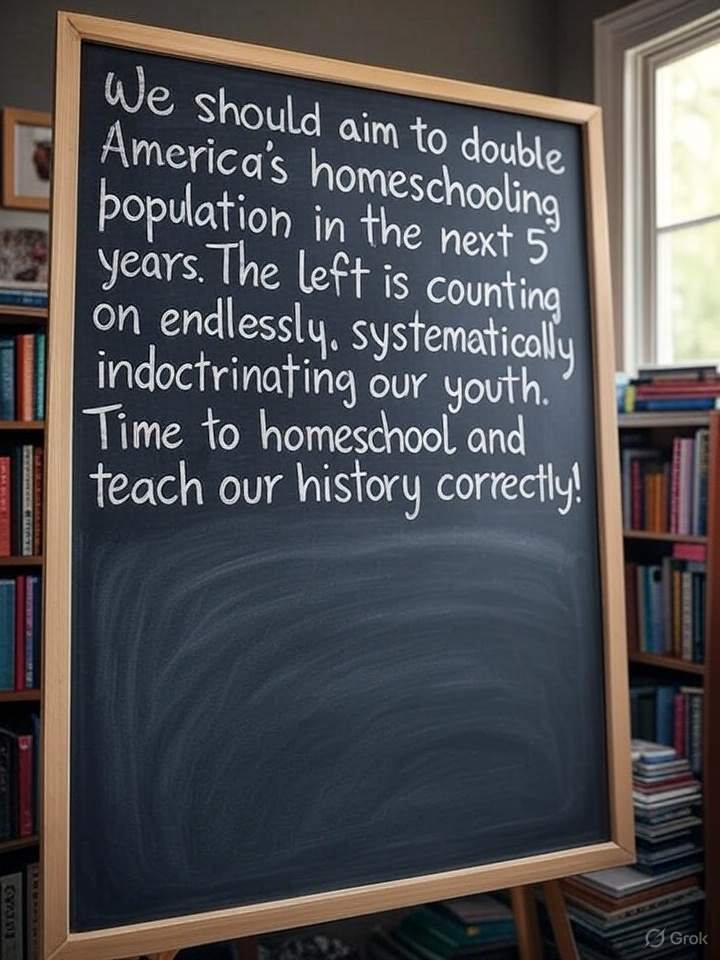
    *“We should aim to double America’s homeschooling population in the next 5 years. The left is counting on endlessly, systematically indoctrinating our youth. Time to homeschool and teach our history correctly!”*¹

    Charlie Kirk Quote - Homeschool

    This wasn’t opportunism; it was a strategic call to arms. By 2021, Kirk celebrated a doubling of homeschool applications in California, attributing it to backlash against critical race theory (CRT) and corrupt teachers’ unions: *“CRT and corrupt teachers unions will continue to break the back of public schools and America is better off for it.”*⁰ In 2025, data vindicates his vision. The National Home Education Research Institute reports a 50% surge in homeschooling families since 2020, with Christian households leading the charge. Kirk’s prescience underscores a conservative truth: freedom thrives when families opt out of state monopolies.

    Equipping Parents with Truth and Tools

    What made Kirk’s advocacy compelling was its fusion of cultural critique with practical encouragement. On The Charlie Kirk Show, he dismantled myths peddled by anti-homeschool elites. In an episode with Leigh Bortins, founder of Classical Conversations, a Christ-centered homeschool co-op, Kirk explored the chasm between modern public education and classical models rooted in the trivium of grammar, logic, and rhetoric.³ Bortins shared her story of pulling her sons from failing schools, mirroring Kirk’s emphasis on parental empowerment. “You can do it,” Kirk assured listeners, echoing Bortins’ mantra. He cited data showing homeschooled students outperforming public-school peers by 15–30 percentile points on standardized tests, with greater gains in civic knowledge and moral reasoning.³ For Kirk, this wasn’t just about academics; it was about instilling love for America and faith in Christ, values eroded by “woke” curricula that vilify our Founding Fathers and treat gender as a spectrum.As a homeschool advocate, I’ve witnessed this firsthand.

    My eldest daughter, now 18, devours Kirk’s archived shows during her American history studies. Where public textbooks whitewash Providence’s role in our nation’s birth, Kirk’s critiques of the Civil Rights Act’s overreach and defense of colorblind meritocracy, rooted in Genesis 1:27’s view of equality, sparked her passion for constitutional conservatism.¹² In a viral clip, responding to critics who labeled homeschooled kids “weird,” Kirk quipped, *“Are homeschooled kids ‘weird’ or wise?”*⁸ He pointed to studies showing homeschoolers’ superior emotional resilience and entrepreneurial spirit, qualities essential for a post-Trump America.

    Confronting Critics with Scriptural Conviction

    Kirk’s boldness extended to confronting homeschooling’s detractors. In a widely circulated Facebook video, he addressed, “What to say to those against homeschooling?” His response was vintage Kirk—sharp, scriptural, and unyielding: “Tell them it’s not their kids; it’s yours,” invoking Deuteronomy 6:7’s command to teach diligently at home.⁵ He lambasted opponents as statists fearing empowered parents, drawing parallels to Pharisees burdening people with man-made rules while neglecting God’s law (Matthew 23:4). This resonated amid 2025’s battles over school choice. With Trump’s second term underway, states like Florida and Texas have expanded education savings accounts, allowing tax-free funding for homeschool curricula. Kirk, a Trump ally, praised these reforms, calling them *“the death knell for the education blob.”*¹³

    A Father’s Faith-Fueled Legacy

    Kirk’s Christian inflection grew pronounced in his final years, aligning with homeschooling’s faith-based ethos. No longer the brash provocateur of his twenties, he embraced fatherhood with zeal that infused his activism. Tributes poured in after his death, with one father writing in American Reformer: *“Charlie Kirk has been a fixture in our home… he was probably [teaching my son] more [than schoolwork] anyway.”*¹⁰ This captures Kirk’s genius: he wasn’t just debating college kids; he was discipling a generation through homeschool airwaves. In episodes dissecting faith in education, Kirk argued homeschooling fosters a “biblical worldview” impervious to secular assaults, warning against the “deconstruction” of family by leftist policies—from no-fault divorce to trans-affirming mandates—echoing Ephesians 6:4’s charge to raise children *“in the nurture and admonition of the Lord.”*¹³

    A Martyr’s Call to Action

    In the wake of Kirk’s martyrdom—yes, martyrdom, for he died defending truth against ideological assassins—the homeschool movement must redouble its efforts to honor his legacy. His death, just three days ago on September 13, 2025, has ignited grief and resolve. International leaders from Netanyahu to everyday evangelicals condemned the violence, but Christians know the battle is spiritual (Ephesians 6:12).¹¹ Kirk’s final words railed against narratives pitting races against each other, insisting on unity under Christ’s lordship.¹¹

    For conservative Christian homeschoolers, Kirk’s call remains urgent. Public schools, with their DEI obsessions and climate alarmism, are factories for conformity.¹²

    Homeschooling liberates, allowing daily Bible studies where my children learn America’s exceptionalism stems from covenantal faithfulness, not “systemic oppression.” Kirk’s vision of doubling homeschoolers by 2025 is on track, with projections nearing 5 million families.

    But we can’t stop there. As states like California double down on union power, we must lobby for universal school choice, echoing Kirk’s August 18, 2025, podcast exhortation: *“Homeschool!”*¹⁶Critics sneer that Kirk was “extreme,” citing his stances on immigration or guns.¹³

    From a Christian vantage, his extremism was fidelity to Scripture—defending borders as stewardship (Nehemiah 2:17–20) and the unborn as image-bearers (Psalm 139:13–16). Homeschooling amplifies these truths, shielding kids from the “cancel culture” Kirk defied.¹⁵ My sons, inspired by his audacity, now lead Bible studies at our co-op, debating CRT with Kirk’s zeal.Honoring Kirk Through Homeschool RevolutionCharlie Kirk’s untimely death robs us of a warrior, but it amplifies his message. In a world gone “unreal,” as he put it, parents must rise as educators, evangelists, and patriots.⁹ Let us commit to his goal: not just doubling, but quadrupling homeschoolers by 2030.

    Enroll in classical programs like Classical Conversations; devour his podcasts for history lessons; and pray for boldness. Kirk’s legacy isn’t in marble monuments but in faithful homes where his words ring: Teach your children truth, love God and country, and fear no evil—for greater is He that is in you (1 John 4:4).As I tuck my youngest into bed tonight, reciting Psalm 78—“We will not hide them from their children, shewing to the generation to come the praises of the Lord”.

    I thank God for Charlie Kirk. He reminded us that homeschooling isn’t retreat; it’s revolution. In this fight for our families’ future, his voice will never be silenced.


    1. Kirk, C. (2020). X Post on Doubling Homeschool Population.
    2. The Charlie Kirk Show (Episode with Leigh Bortins).
    3. Kirk, C. Facebook Video on Responding to Homeschool Critics.
    4. Kirk, C. YouTube Short on Homeschooled Kids.
    5. Kirk, C. (2025). YouTube Short on Parental Responsibility.
    6. American Reformer (2025). Tribute to Charlie Kirk.
    7. X Posts on Kirk’s Assassination (2025).
    8. The Charlie Kirk Show (Episodes on CRT and Public Education).
    9. The Charlie Kirk Show (Episodes on School Choice and Faith).
    10. New York Times (2025). Tribute to Charlie Kirk.
    11. The Charlie Kirk Show (2025). Episode on Family and Conservatism.
    12. The Charlie Kirk Show
  • Diet Coke and Diapers US Flag Conservative Parenting

    A Call to Arms for Christian Parents

    In 2025, the battle for our children’s hearts and minds has never been fiercer. Public schools, once trusted to educate, are increasingly becoming battlegrounds for secular ideologies, critical race theory, gender confusion, and values that stand in direct opposition to the Word of God. As Christian parents, we are called to be stewards of our children, to “train them up in the way they should go” (Proverbs 22:6). In a world that seeks to undermine biblical truth, Christian homeschooling is not just an educational choice, it’s a radical act of faith, a declaration of freedom, and a defiant stand against a culture that’s lost its way.

    This is why homeschooling is the movement of the moment, and why it’s time for Christian families to rise up, take control, and disciple their children for Christ.The Crisis in Public EducationThe state of public education in 2025 is a wake-up call for every parent. According to the National Assessment of Educational Progress (NAEP), math proficiency for 8th graders has dropped 4% since 2019, with reading scores stagnating.

    Only 26% of students are proficient in civics, meaning most kids can’t even explain the foundations of our constitutional republic. But the crisis goes beyond academics. Schools are increasingly platforms for ideological agendas. From mandatory diversity training rooted in critical race theory to policies normalizing gender fluidity, the classroom is no longer a neutral space, it’s a mission field for secularism.Consider this: a 2024 report from the Heritage Foundation found that 35 states have adopted curricula or policies that include controversial social justice or gender identity frameworks. Parents are often left in the dark, with school boards dismissing their concerns or labeling them as extremists. Meanwhile, children are exposed to ideas that contradict the biblical worldview, ideas that sow confusion about identity, morality, and truth.

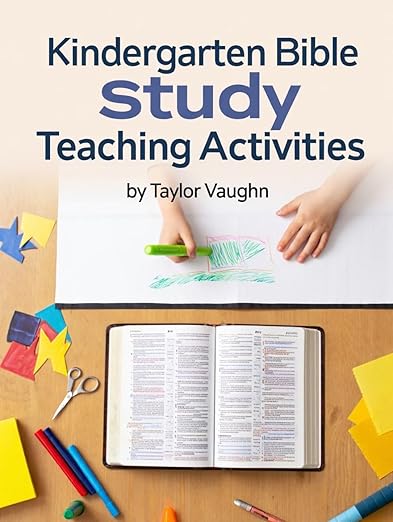
    Teaching Bible Studies to Kindergarten

    As Christian parents, we cannot sit idly by while the enemy seeks to “steal, kill, and destroy” (John 10:10) the minds of our children.

    The Homeschool Revolution

    Enter homeschooling: a God-given solution that’s exploding across the nation. In 2025, over 4.3 million children are being homeschooled in the United States, a number that’s doubled in the last decade, according to the Home School Legal Defense Association (HSLDA). This isn’t a fringe movement—it’s a revolution.

    Christian families are reclaiming their authority, choosing to educate their children in environments that honor God, prioritize truth, and foster character.The data speaks for itself. Homeschooled students consistently outperform their public school peers, scoring 15-30% higher on standardized tests, per a 2023 study by the National Home Education Research Institute. They’re also more likely to be civically engaged, with 71% of homeschool graduates voting regularly compared to 57% of public school graduates. But the real victory isn’t in test scores—it’s in the hearts of children raised to know and love Jesus, to stand firm in their faith, and to navigate a world hostile to their beliefs.

    Homeschooling isn’t about sheltering kids from the world; it’s about equipping them to transform it. As Romans 12:2 urges, “Do not be conformed to this world, but be transformed by the renewal of your mind.” By teaching our children at home, we’re discipling them to be warriors for Christ, grounded in Scripture and ready to face the challenges of a post-Christian culture.

    Why Christian Homeschooling?

    So why should Christian parents choose homeschooling in 2025? Here are four compelling reasons:

    1. Biblical Worldview as the Foundation
      Public schools teach a secular worldview that often contradicts Scripture. Evolution is presented as fact, moral relativism is celebrated, and biblical values are sidelined. Homeschooling allows parents to weave God’s truth into every subject—whether it’s the order of creation in science, the providence of God in history, or the logic of mathematics as a reflection of His design. Resources like Abeka, My Father’s World, and Answers in Genesis provide curricula that integrate faith seamlessly, ensuring your child’s education glorifies God.
    2. Tailored Education for Your Child
      Every child is unique, created with specific gifts and callings. Homeschooling lets you customize their education to their needs, learning styles, and interests. Struggling with reading? You can slow down and focus. Gifted in music or art? You can nurture those talents without the constraints of a one-size-fits-all system. This flexibility fosters not just academic success but also a love for learning and a confidence in who God made them to be.
    3. Protection from Harmful Ideologies
      Let’s be clear: the enemy is after our children. Schools are introducing concepts like gender fluidity as early as kindergarten, with some districts allowing students to change pronouns without parental consent. Critical race theory frames history through a lens of division and victimhood, undermining the biblical truth that all are made in God’s image (Genesis 1:27). Homeschooling creates a safe space to teach truth, counter falsehoods, and prepare kids to engage the world with discernment.
    4. Strengthening Family Bonds
      Homeschooling isn’t just about education—it’s about discipleship. It’s about morning devotions, praying over math problems, and discussing how to live out faith in a broken world. Studies show homeschooled kids have stronger family relationships and higher self-esteem. In a culture that pulls families apart, homeschooling pulls them together, creating a legacy of faith that lasts generations.

    Overcoming Objections: You Can Do This“I’m not qualified.” “It’s too expensive.” “My kids will miss out on socialization.” These are common fears, but they’re myths easily debunked.

    • You Are Enough: You don’t need a teaching degree to homeschool. God has equipped you to raise your children, and the resources available in 2025 make it easier than ever. Online platforms like Abeka, Classical Conversations, and Khan Academy offer step-by-step guidance. Co-ops and local homeschool groups provide support, shared teaching, and community.
    • It’s Affordable: Homeschooling can fit any budget. Free resources like Easy Peasy All-in-One Homeschool exist alongside affordable curricula (many under $500/year). Compare that to private school tuition ($10,000-$20,000 annually) or the hidden costs of public school (supplies, fees, and time). Plus, tax credits for homeschoolers are gaining traction in states like Texas and Florida.
    • Socialization Is a Strength: Homeschoolers aren’t isolated—they’re engaged. From sports leagues to church groups to co-op classes, kids have ample opportunities to build friendships. Studies show homeschoolers are well-adjusted, with 87% reporting strong social skills compared to 79% of public school students (NHERI). More importantly, they’re socialized in environments that reinforce your values, not undermine them.

    The Tools You Need to Succeed

    The homeschooling landscape in 2025 is rich with resources. Here’s a snapshot:

    • Curricula: Abeka and My Father’s World offer Christ-centered, rigorous programs. Classical Conversations emphasizes classical education with a biblical lens.
    • Online Support: Platforms like Outschool and Khan Academy provide supplemental classes. HSLDA offers legal guidance and advocacy.
    • Community: Co-ops, church groups, and online forums connect you with other families. Events like the Great Homeschool Conventions inspire and equip.

    A Movement for Such a Time as This

    Homeschooling is more than an educational choice—it’s a spiritual and cultural stand. In Esther 4:14, Mordecai tells Esther she was born “for such a time as this.” Christian parents, this is your moment. The world wants to shape your children into its image, but God has called you to shape them into His. Homeschooling is your declaration of independence, your act of worship, and your legacy of faith.Imagine a generation of young people who know Scripture, love Jesus, and stand unapologetically for truth. That’s the power of Christian homeschooling. It’s not easy—it requires sacrifice, prayer, and perseverance. But your children are worth it. The Kingdom is worth it.

  • Diet Coke and Diapers US Flag Conservative Parenting

    Introduction

    Homeschooling is far more than an educational choice, it’s a sacred calling that invites God into every lesson, every challenge, and every breakthrough moment in your family’s learning journey. As Christian parents, you’ve chosen to create a classroom where faith and learning intertwine, where character development walks hand-in-hand with academic growth, and where the Creator of all knowledge is welcomed as the ultimate Teacher. These 150 short prayers are designed to cover every aspect of your homeschool experience, from morning devotions that set the tone for learning to evening reflections that celebrate the day’s discoveries. Whether you’re facing the excitement of a new school year, navigating the challenges of difficult subjects, or simply seeking God’s wisdom in daily decisions, these prayers offer a way to invite His presence into your educational adventure. Each prayer is paired with a relevant Scripture verse, grounding your petitions in God’s eternal truth and reminding you that His Word is indeed a lamp unto your feet and a light unto your path, including the path of educating your precious children at home.

    A Christian homeschool setting showing a wooden bookshelf holding leather-bound books and family devotionals, with text reading "150 Short Prayers for Your Homeschool Family" in elegant black script font centered above the bookshelf. A handwritten chalkboard displays verses from Psalm 119:105 on the wall behind the shelf. A simple wooden cross hangs to the left of the chalkboard, while natural light streams through a nearby window, casting a warm glow across the scene. Professional interior photography with soft natural lighting and shallow depth of field focusing on foreground text and objects.

    Family Morning Prayers

    1. Starting the Day with Wisdom
      “Lord, grant us wisdom as we begin our studies today. Help us to learn with joy and understanding.” – Proverbs 1:7
    2. Hearts Ready to Learn
      “Prepare our hearts, Father, to receive knowledge and grow in grace throughout this day.” – 2 Peter 3:18
    3. Protection Over Our Home
      “Surround our home with Your angels, Lord, and keep us safe as we learn together.” – Psalm 91:11
    4. Grateful Hearts
      “Thank You, God, for the gift of learning and the privilege of teaching our children at home.” – 1 Thessalonians 5:18
    5. Strength for Parents
      “Give us strength and patience, Lord, to guide our children with love and wisdom today.” – Isaiah 40:31
    6. Open Minds
      “Open our minds to understand Your truth in all subjects we study today.” – Luke 24:45
    7. Unity in Learning
      “Help our family work together in harmony as we pursue knowledge and understanding.” – Psalm 133:1
    8. God’s Presence
      “Be with us in our classroom, Lord, and let Your presence guide our discussions.” – Matthew 18:20
    9. Joy in Discovery
      “Fill us with wonder and excitement as we discover the amazing world You created.” – Psalm 19:1
    10. Patience and Kindness
      “Help us speak to one another with patience and kindness throughout our school day.” – Ephesians 4:32

    Homeschool Prayers for Learning

    1. Understanding Math
      “Lord, help us see Your order and design in mathematics and give us clarity in problem-solving.” – 1 Corinthians 14:33
    2. Reading Comprehension
      “Open our understanding as we read, that we might gain knowledge and wisdom from every book.” – Psalm 119:130
    3. Creative Writing
      “Inspire our words, Father, that we might write with creativity and truth.” – Psalm 45:1
    4. Science Wonder
      “Help us marvel at Your creation and understand the intricate ways You designed our world.” – Job 37:14
    5. History Lessons
      “As we study the past, help us learn from history and see Your hand in human events.” – Ecclesiastes 3:1
    6. Memory Work
      “Strengthen our minds to remember what we learn and hide Your Word in our hearts.” – Psalm 119:11
    7. Difficult Subjects
      “When learning feels hard, remind us that we can do all things through Christ who strengthens us.” – Philippians 4:13
    8. Art and Music
      “Thank You for gifts of creativity; help us use them to glorify You in all we create.” – Psalm 150:6
    9. Geography Studies
      “As we learn about different places, help us remember that the earth is Yours, Lord.” – Psalm 24:1
    10. Foreign Languages
      “Bless our efforts to learn new languages, knowing that every tongue will praise You.” – Revelation 7:9

    Character Building Prayers for Children

    1. Honesty in Work
      “Help us always be truthful in our studies and honest in all our work.” – Proverbs 12:22
    2. Perseverance
      “When we want to give up, remind us to press on and finish what we start.” – Galatians 6:9
    3. Humility in Learning
      “Keep us humble, knowing that all wisdom comes from You alone.” – James 1:17
    4. Serving Others
      “Teach us to use our knowledge to serve others and build Your kingdom.” – Mark 10:43
    5. Self-Control
      “Help us develop self-discipline in our studies and in all areas of life.” – Galatians 5:22-23
    6. Kindness to Siblings
      “Help brothers and sisters learn together with kindness and understanding.” – 1 Peter 3:8
    7. Respect for Parents
      “Give children hearts that honor and respect their parents as they teach and guide.” – Ephesians 6:1
    8. Contentment
      “Help us be content with what we have and grateful for this opportunity to learn at home.” – Hebrews 13:5
    9. Courage to Ask Questions
      “Give us courage to ask questions and seek understanding when we don’t know.” – Matthew 7:7
    10. Gentle Correction
      “When we make mistakes, help us receive correction with humble and teachable hearts.” – Proverbs 27:5

    Midday Prayers

    1. Renewed Energy
      “Refresh our minds and bodies, Lord, for the afternoon ahead.” – Isaiah 40:29
    2. Focus and Attention
      “Help us concentrate on our studies and not be distracted from learning.” – Proverbs 4:25
    3. Lunch Blessing
      “Thank You for this food that nourishes our bodies for continued learning.” – 1 Timothy 4:4
    4. Peaceful Moments
      “Grant us moments of peace in our busy school day to rest in Your presence.” – Psalm 46:10
    5. Overcoming Frustration
      “When we feel frustrated with difficult lessons, fill us with Your peace.” – John 14:27
    6. Sibling Harmony
      “Help brothers and sisters encourage each other in their learning journey.” – 1 Thessalonians 5:11
    7. Teacher’s Heart
      “Give parents teaching hearts filled with love, patience, and understanding.” – 1 Corinthians 13:4
    8. Second Chances
      “Thank You for new mercies and fresh starts when we struggle with our work.” – Lamentations 3:22-23
    9. Clearing Confusion
      “Clear away confusion, Lord, and help us understand what seems unclear.” – 1 Corinthians 14:33
    10. Grateful Learning
      “Help us approach each subject with grateful hearts for the ability to learn.” – Colossians 3:17

    Prayers for Challenges When Homeschooling

    1. When Learning is Hard
      “Strengthen us when lessons are difficult and remind us that You are our helper.” – Hebrews 13:6
    2. For Struggling Students
      “Encourage those who find learning challenging and show them their unique gifts.” – 1 Corinthians 12:4
    3. Overcoming Fear
      “Cast out fear from our hearts and replace it with confidence in Your love.” – 1 John 4:18
    4. When We Fall Behind
      “Help us trust Your timing and not compare our progress to others.” – Ecclesiastes 3:1
    5. Family Disagreements
      “Restore peace when we disagree and help us resolve conflicts with love.” – Matthew 5:9
    6. Motivation to Continue
      “Renew our motivation when we feel weary and remind us why we learn at home.” – Isaiah 40:31
    7. Understanding Different Learning Styles
      “Help us recognize how each child learns best and adapt our teaching accordingly.” – 1 Corinthians 12:12
    8. Bad Days
      “Redeem difficult days and help us find lessons even in our struggles.” – Romans 8:28
    9. Comparing with Others
      “Keep us from comparison and help us celebrate our family’s unique journey.” – Galatians 6:4
    10. Technical Difficulties
      “When technology fails us, remind us that You are our ultimate teacher.” – Psalm 32:8

    Evening Prayers

    1. Reflecting on the Day
      “Help us see how You worked in our learning today and give thanks.” – 1 Chronicles 16:34
    2. Bedtime Gratitude
      “Thank You, Lord, for all we learned today and for keeping us safe.” – Psalm 4:8
    3. Preparation for Tomorrow
      “Prepare our hearts and minds for tomorrow’s learning adventures.” – Psalm 143:8
    4. Family Bonding
      “Thank You for the blessing of learning together as a family.” – Deuteronomy 6:7
    5. Peaceful Sleep
      “Grant us peaceful rest so we can wake refreshed and ready to learn.” – Psalm 127:2
    6. Processing New Knowledge
      “Help us remember and understand all we learned today as we sleep.” – Psalm 16:7
    7. Forgiveness for Mistakes
      “Forgive us for any impatience or unkindness shown today in our learning.” – 1 John 1:9
    8. Dreams and Aspirations
      “Give us dreams that honor You and inspire our future learning.” – Jeremiah 29:11
    9. Protection Through the Night
      “Watch over our family as we sleep and keep us safe until morning.” – Psalm 3:5
    10. Tomorrow’s Opportunities
      “We trust You with tomorrow’s lessons and opportunities to grow.” – Proverbs 27:1

    Special Occasion Prayers

    1. First Day of School Year
      “Bless this new school year, Lord, and guide us in all our learning adventures.” – Proverbs 16:3
    2. Christmas Break
      “Thank You for time to rest and celebrate the birth of our Savior Jesus.” – Luke 2:11
    3. Easter Studies
      “Help us understand the joy and hope of Jesus’ resurrection as we study.” – 1 Corinthians 15:20
    4. Field Trip Adventures
      “Keep us safe on our field trip and help us learn from this new experience.” – Psalm 121:8
    5. Science Fair Projects
      “Guide our hands and minds as we explore Your creation through experiments.” – Genesis 1:31
    6. End of School Year
      “Thank You for all we accomplished this year and the growth we’ve experienced.” – 2 Corinthians 9:8
    7. Graduation Day
      “Celebrate with us this milestone and prepare us for the next phase of learning.” – Jeremiah 1:12
    8. Sick Days
      “Heal our bodies and help us rest, knowing that health comes from You.” – Jeremiah 30:17
    9. Testing Days
      “Calm our nerves during tests and help us remember what we’ve learned.” – 2 Timothy 1:7
    10. New Curriculum
      “Bless these new materials and help us use them effectively for learning.” – Isaiah 55:11

    Prayers for Growth

    1. Spiritual Growth
      “Help us grow closer to You through every subject we study together.” – 2 Peter 3:18
    2. Academic Progress
      “Celebrate with us each milestone and encourage us to keep learning.” – Philippians 1:6
    3. Emotional Maturity
      “Develop in us emotional wisdom and the ability to handle feelings well.” – Proverbs 16:32
    4. Social Skills
      “Though we learn at home, help us develop good relationships with others.” – Proverbs 27:17
    5. Independence
      “Teach us to become independent learners who seek knowledge on our own.” – Proverbs 27:14
    6. Critical Thinking
      “Develop our ability to think critically and discern truth from error.” – 1 Thessalonians 5:21
    7. Leadership Skills
      “Prepare us to be leaders who serve others with wisdom and humility.” – Matthew 20:26
    8. Problem-Solving Abilities
      “Give us creative minds that can solve problems and overcome challenges.” – Daniel 1:17
    9. Communication Skills
      “Help us express ourselves clearly and listen well to others.” – Proverbs 18:13
    10. Life Skills
      “Teach us practical skills we’ll need as we grow into responsible adults.” – Proverbs 31:27

    Prayers for Unity in Your Family

    1. Parent Partnership
      “Help parents work together in unity as they guide their children’s education.” – Amos 3:3
    2. Sibling Cooperation
      “May brothers and sisters support each other’s learning with kindness.” – Romans 12:10
    3. Extended Family Support
      “Bless grandparents and relatives who encourage our homeschool journey.” – Proverbs 17:6
    4. Homeschool Community
      “Connect us with other families who share our commitment to home education.” – Hebrews 10:24
    5. Church Support
      “Thank You for a church family that supports our educational choices.” – 1 Corinthians 12:26
    6. Peaceful Home
      “Let our home be a place of peace where learning flourishes.” – John 14:27
    7. Shared Goals
      “Help our family work toward common goals in education and faith.” – Philippians 2:2
    8. Mutual Respect
      “May we treat each other with respect and honor in our learning environment.” – Romans 12:10
    9. Forgiveness and Grace
      “Help us forgive quickly and show grace when we disappoint each other.” – Ephesians 4:32
    10. Celebrating Differences
      “Help us appreciate how each family member learns and contributes uniquely.” – 1 Corinthians 12:18

    Prayers for Wisdom

    1. Teaching Wisdom
      “Grant parents wisdom to teach each child according to their unique needs.” – Proverbs 22:6
    2. Curriculum Choices
      “Guide us in selecting materials and methods that best serve our children.” – James 1:5
    3. Daily Decisions
      “Help us make wise choices about how to spend our learning time.” – Ephesians 5:15
    4. Discipline Decisions
      “Give us wisdom to discipline with love and guide with grace.” – Hebrews 12:11
    5. Future Planning
      “Direct our steps as we plan for our children’s educational future.” – Proverbs 16:9
    6. Balancing Subjects
      “Help us balance academics with character development and spiritual growth.” – Luke 2:52
    7. Recognizing Gifts
      “Open our eyes to see each child’s unique gifts and talents.” – Romans 12:6
    8. Timing Decisions
      “Give us wisdom to know when to push forward and when to slow down.” – Ecclesiastes 3:1
    9. Teaching Methods
      “Show us the best ways to help each child understand and retain knowledge.” – 2 Timothy 2:24
    10. Long-term Vision
      “Keep our eyes focused on the long-term goals of education and character.” – Habakkuk 2:2

    Prayers for Joy

    1. Joy in Learning
      “Fill our hearts with joy as we discover new things about Your world.” – Psalm 16:11
    2. Laughter in Learning
      “Bless us with moments of laughter and fun as we study together.” – Proverbs 17:22
    3. Celebrating Success
      “Help us celebrate every victory, no matter how small, with grateful hearts.” – 1 Thessalonians 5:16
    4. Finding Wonder
      “Keep alive our sense of wonder and curiosity about Your creation.” – Psalm 8:3-4
    5. Enjoying Each Other
      “Help us enjoy the gift of learning together as a family each day.” – Psalm 118:24
    6. Musical Joy
      “Fill our home with music and songs that bring joy to our learning.” – Psalm 98:1
    7. Artistic Expression
      “Let creativity and artistic expression bring color to our educational journey.” – Exodus 35:35
    8. Story Time Joy
      “Bless our times of reading together with imagination and delight.” – Proverbs 25:11
    9. Game-Based Learning
      “Help us learn through play and games that make education enjoyable.” – Proverbs 17:22
    10. Nature Study Delight
      “May outdoor learning fill us with awe at the beauty You created.” – Psalm 104:24

    Prayers for Special Needs Learners

    1. Learning Differences
      “Help us embrace and accommodate different learning styles with patience.” – 1 Corinthians 12:22
    2. Extra Support
      “Provide wisdom and resources for children who need additional help.” – Isaiah 42:16
    3. Building Confidence
      “Build confidence in children who struggle, reminding them they are fearfully made.” – Psalm 139:14
    4. Unique Pathways
      “Guide us to find the right educational path for each child’s needs.” – Isaiah 30:21
    5. Therapeutic Support
      “Bless therapists and specialists who help children overcome challenges.” – Luke 4:18
    6. Strength for Caregivers
      “Give extra strength to parents caring for children with special needs.” – 2 Corinthians 12:9
    7. Breakthrough Moments
      “We pray for breakthrough moments when difficult concepts finally click.” – Mark 9:23
    8. Adaptive Resources
      “Provide the right tools and resources to help each child succeed.” – 2 Corinthians 9:8
    9. Community Understanding
      “Help others understand and support families with special learning needs.” – Galatians 6:2
    10. Celebrating Progress
      “Help us celebrate every step of progress, no matter how small.” – Zechariah 4:10

    Technology and Modern Learning

    1. Wise Technology Use
      “Help us use technology as a tool for learning while maintaining balance.” – 1 Corinthians 10:23
    2. Online Safety
      “Protect our children as they learn online and help them make wise choices.” – Proverbs 27:14
    3. Digital Discernment
      “Give us wisdom to discern good content from harmful material online.” – 1 John 4:1
    4. Screen Time Balance
      “Help us balance screen time with hands-on learning and real-world experiences.” – Ecclesiastes 3:1
    5. Technical Skills
      “Develop in our children the technical skills they’ll need for the future.” – Proverbs 21:5
    6. Virtual Connections
      “Bless online learning communities and virtual friendships formed through education.” – Hebrews 10:24
    7. Information Overload
      “Give us wisdom to filter and process the abundance of information available.” – Proverbs 18:15
    8. Creating vs. Consuming
      “Help our children be creators of content, not just consumers.” – Ephesians 2:10
    9. Digital Citizenship
      “Teach us to be responsible digital citizens who honor You online.” – Philippians 4:8
    10. Technical Difficulties
      “Grant patience when technology doesn’t work and remind us of simpler ways to learn.” – James 1:2-3

    Future-Focused Prayers

    1. College Preparation
      “Prepare our children for higher education if that’s Your plan for them.” – Proverbs 16:9
    2. Career Guidance
      “Guide our children toward careers that use their gifts for Your glory.” – 1 Corinthians 10:31
    3. Life Skills Development
      “Help us teach practical skills they’ll need as independent adults.” – Proverbs 31:13
    4. Financial Wisdom
      “Teach our children to be wise stewards of money and resources.” – Luke 16:11
    5. Relationship Skills
      “Develop in them the ability to build healthy, godly relationships.” – 1 Corinthians 13:4-7
    6. Leadership Development
      “Prepare them to be leaders who serve others with humility and wisdom.” – Mark 10:43
    7. Global Awareness
      “Give them hearts for the world and understanding of other cultures.” – Matthew 28:19
    8. Entrepreneurial Spirit
      “If it’s Your will, develop entrepreneurial gifts that create jobs and serve others.” – Proverbs 31:16
    9. Mentorship Opportunities
      “Connect them with godly mentors who can guide their future steps.” – Titus 2:7
    10. Continued Learning
      “Instill in them a love of learning that continues throughout their lives.” – Proverbs 1:5

    Final Prayers

    1. Legacy of Faith
      “Help us pass down a legacy of faith through our educational choices.” – Deuteronomy 6:6-7
    2. Generational Impact
      “May our commitment to home education impact future generations.” – Psalm 78:4
    3. God’s Faithfulness
      “Thank You for Your faithfulness to our family throughout this journey.” – Lamentations 3:22-23
    4. Eternal Perspective
      “Help us keep an eternal perspective on our children’s education.” – 2 Corinthians 4:18
    5. Surrendering Plans
      “We surrender our educational plans to You, trusting Your perfect will.” – Proverbs 19:21
    6. Trusting the Process
      “Help us trust the process of learning, even when we can’t see the results.” – Ecclesiastes 11:5
    7. Gratitude for Opportunity
      “Thank You for the privilege and freedom to educate our children at home.” – 1 Thessalonians 5:18
    8. Divine Appointments
      “May our homeschool journey create divine appointments for sharing Your love.” – Esther 4:14
    9. Perfect Timing
      “Thank You that Your timing is perfect in our educational journey.” – Ecclesiastes 3:11
    10. Final Blessing
      “Bless our family, our home, and our commitment to raising children who know and love You. May everything we do in word and deed be done in the name of Jesus. Amen.” – Colossians 3:17

    May these prayers strengthen your family’s faith journey and bring God’s presence into every aspect of your homeschool experience. Remember that He who began a good work in your family will carry it on to completion (Philippians 1:6).

  • Diet Coke and Diapers US Flag Conservative Parenting

    While creating a safe learning environment is often the first consideration for Christian families exploring homeschooling (as we discussed in our previous article on creating a safe haven through homeschooling), the deeper rewards of this educational choice extend far beyond safety. Christian homeschool family bonding and vibrant community connections are among the most treasured fruits of the homeschooling journey.

    The Biblical Vision for Family Education

    God’s design for the family has always placed parents at the center of their children’s education. Deuteronomy 6:6-7 instructs us: “These words that I command you today shall be on your heart. You shall teach them diligently to your children, and shall talk of them when you sit in your house, and when you walk by the way, and when you lie down, and when you rise.”

    This scripture paints a beautiful picture of learning woven throughout daily life, exactly what homeschool family relationships can provide.

    How Homeschooling Strengthens Family Bonds

    When families choose homeschooling, they’re choosing to invest in relationships that will last a lifetime. Stronger family bonds through homeschooling develop naturally when:

    • Parents become active participants in their children’s learning journey
    • Siblings learn alongside each other, fostering cooperation over competition
    • Family discussions extend beyond “How was your day?” to meaningful conversations about what they’re discovering together
    • Parents can observe and celebrate each child’s unique gifts and growth patterns

    Creating Shared Experiences and Memories

    Unlike traditional schooling, where children spend most of their waking hours away from family, homeschooling family time allows for:

    • Field trips that become family adventures
    • Learning projects that engage the whole household
    • Flexible schedules that accommodate family priorities
    • Opportunities to serve others together as a family unit

    As Ecclesiastes 4:12 reminds us, “A threefold cord is not quickly broken.” When families learn, grow, and serve together, they create unbreakable bonds that withstand life’s challenges.

    Understanding Your Family’s Unique Homeschool Journey

    Every family’s path to homeschooling is different. Some parents are drawn by academic concerns, others by safety issues, and still others by the desire for Christian homeschool family bonding. What matters isn’t the initial motivation, but the faithfulness to follow God’s leading for your specific family.

    Even when parents begin homeschooling for practical reasons, they often discover unexpected blessings in the form of deeper family relationships and stronger connections with their children’s hearts and minds.

    Building Community: The Homeschool Family Network

    Beyond the Four Walls of Home

    One of the most persistent myths about homeschooling is that children will miss out on socialization. The reality is quite the opposite—Christian homeschool community connections often provide richer, more diverse social experiences than traditional school settings.

    Finding Your Homeschool Tribe

    Homeschool co-ops for Christians offer incredible opportunities for both children and parents:

    For Children:

    • Multi-age friendships that mirror real-world relationships
    • Collaborative learning experiences
    • Leadership opportunities
    • Service projects that build character
    • Exposure to different teaching styles and expertise

    For Parents:

    • Shared teaching responsibilities
    • Encouragement and wisdom from experienced homeschoolers
    • Resource sharing and curriculum recommendations
    • Accountability and prayer support
    • Lifelong friendships built on common values

    Practical Ways to Build Community

    1. Join Local Homeschool Groups

    • Christian homeschool support groups provide both practical help and spiritual encouragement
    • Look for groups that align with your family’s values and educational philosophy
    • Attend park days, field trips, and social events regularly

    2. Participate in Co-operative Learning

    • Subject-specific co-ops (science labs, history clubs, art classes)
    • Skills-based groups (4-H, Scouts, music ensembles)
    • Academic competitions and spelling bees

    3. Engage in Community Service

    • Volunteer together at local ministries
    • Participate in community clean-up days
    • Visit nursing homes or assist elderly neighbors
    • Support mission projects as a homeschool group

    4. Create Learning Partnerships

    • Homeschool family activities can include other families
    • Organize nature study groups
    • Form book clubs for different age levels
    • Coordinate educational outings and field trips

    The Ripple Effects of Strong Family Bonds

    Building Character Through Relationship

    When families spend quality time together through Christian family homeschooling, character development happens naturally through:

    • Older siblings mentoring younger ones
    • Parents modeling problem-solving and perseverance
    • Family discussions about real-world issues from a biblical perspective
    • Opportunities to practice patience, kindness, and forgiveness in daily interactions

    Preparing Children for Godly Relationships

    The strong family bonds cultivated through homeschooling prepare children for healthy relationships throughout their lives. They learn to:

    • Communicate respectfully with people of all ages
    • Resolve conflicts in biblical ways
    • Value family relationships and traditions
    • Approach future marriages and parenting with a strong foundation

    Overcoming Common Community Homeschooling Concerns

    “What About Sports and Extracurriculars?”

    Many communities now offer extensive opportunities for homeschooled children:

    • Community sports leagues
    • Homeschool athletic associations
    • Music and drama groups
    • 4-H and scouting programs
    • Community college dual enrollment

    “How Do I Find Like-Minded Families?”

    Finding Christian homeschool community may require some intentional effort, but the rewards are immense:

    • Start with your local church
    • Search online for area homeschool groups
    • Attend homeschool conventions and curriculum fairs
    • Connect through social media homeschool groups
    • Ask other homeschooling families for recommendations

    The Long-Term Visionfor Homeschooling: Generational Impact

    When we choose homeschooling for family bonding, we’re not just impacting our immediate family—we’re potentially influencing generations to come. Children who grow up in close-knit families often carry those values into their own parenting, creating a legacy of strong family relationships.

    Psalm 78:4 encourages us: “We will not hide these truths from our children; we will tell the next generation about the glorious deeds of the Lord, about his power and his mighty wonders.”

    Embracing God’s Design for Your Family

    Whether your homeschool journey began for academic, safety, or relationship reasons, God can use this season to strengthen your family bonds and build meaningful community connections. Trust His guidance as you:

    • Prioritize relationship over performance
    • Seek out families who share your values
    • Create traditions and memories that will last a lifetime
    • Model Christ’s love in your daily interactions

    Remember, Christian homeschool family bonding isn’t about perfection—it’s about faithfulness. As you walk this journey together, you’re creating a legacy of love, learning, and faith that will impact your children’s lives forever.

    Taking the Next Step

    If you’re considering homeschooling or looking to strengthen your existing homeschool community connections, start with prayer. Ask God to guide you to the families and opportunities that will best serve your children’s growth and your family’s mission.

    The bonds you build today—both within your family and in your homeschool community—are investments in eternal relationships that will bear fruit for generations to come.


    How has homeschooling strengthened your family bonds or community connections? We’d love to hear your story in the comments below. Your experience could encourage another family just beginning their homeschool journey.

  • Diet Coke and Diapers US Flag Conservative Parenting

    As Christian parents, we are called to be faithful stewards of the precious gifts God has entrusted to us, our children. In today’s world, many families are discovering that homeschooling for safety provides not just academic benefits, but a sanctuary where children can flourish under God’s protective care.

    The Biblical Foundation for Creating Safe Learning Environments. Scripture reminds us in Proverbs 22:6 to “Train up a child in the way he should go; even when he is old he will not depart from it.” This verse speaks not only to spiritual training but to providing an environment where that training can take root and grow. When we create a safe homeschool environment, we’re following God’s design for nurturing young hearts and minds.

    Why Christian Families Are Choosing Homeschooling for Safety

    Protection from Bullying and Peer Pressure

    Many Christian parents have made the difficult decision to withdraw their children from traditional schools due to bullying. The emotional and spiritual wounds inflicted by persistent harassment can deeply impact a child’s sense of worth and belonging. Homeschool bullying protection isn’t just about physical safety, it’s about preserving the God-given dignity of every child.

    When we homeschool, we create a learning environment free from:

    • Cruel teasing and social exclusion
    • Pressure to conform to worldly values
    • Academic intimidation and comparison
    • Inappropriate exposure to mature content

    Tailored Learning That Honors God’s Design

    Every child is “fearfully and wonderfully made” (Psalm 139:14), with unique gifts, learning styles, and needs. Tailored homeschool learning allows us to honor God’s individual design for each child by:

    • Adapting lessons to their natural learning pace
    • Incorporating their interests and strengths
    • Addressing specific learning challenges with patience and love
    • Creating an atmosphere of encouragement rather than competition

    Building Your Safe Homeschool Haven

    Establishing Physical and Emotional Safety

    A safe homeschool environment begins with trust and open communication. When children feel secure, they’re free to ask questions, make mistakes, and grow without fear of judgment or ridicule. This mirrors God’s unconditional love for us and teaches children that learning is a journey, not a performance.

    Protecting Their Hearts and Minds

    As Philippians 4:8 instructs us to think on things that are “true, honorable, just, pure, lovely, and commendable,” we can carefully curate what enters our children’s minds during their formative years. Christian homeschool safety means protecting not just their bodies, but their hearts and spirits from influences that don’t align with our values.

    Some children require extra attention, patience, or specialized approaches to learning. Traditional classrooms, with their one-size-fits-all approach, can leave these precious ones feeling frustrated or inadequate. Homeschooling for special needs allows us to:

    • Move at God’s perfect timing for each child
    • Celebrate small victories and progress
    • Provide the individualized attention they need to thrive
    • Build their confidence in a loving, supportive environment

    Practical Steps for Creating Your Safe Learning Space

    • Establish Clear Boundaries: Create both physical and emotional boundaries that help your children feel secure and protected.
    • Open Communication: Encourage your children to share their thoughts, fears, and questions without judgment.
    • Celebrate Individual Growth: Focus on personal progress rather than comparison to others.
    • Incorporate Prayer and Scripture: Begin each day with prayer and weave biblical truths throughout your lessons.

    The Long-Term Benefits of a Safe Learning Environment

    When children learn in an atmosphere of safety and love, they develop:

    • Stronger self-confidence
    • Better emotional regulation
    • Deeper family bonds
    • A solid foundation in Christian values
    • Joy in learning and discovery

    Trust God’s Plan for Your Family

    Choosing homeschooling for safety isn’t about fear, it’s about faith. It’s trusting that God has called us as parents to be the primary influences in our children’s lives and that He will equip us for this sacred task.

    As Isaiah 54:13 promises, “All your children shall be taught by the Lord, and great shall be the peace of your children.” When we create safe, nurturing learning environments, we participate in God’s promise to give our children peace and wisdom.

    Remember, every family’s homeschool journey looks different, but the desire to provide a safe, loving environment where children can learn and grow is universal among Christian parents. Trust in God’s guidance as you create the perfect learning sanctuary for the children He has blessed you with.


    Are you considering homeschooling for your family’s safety and well-being? Share your thoughts and questions in the comments below. We’re here to support and encourage one another on this beautiful journey of Christian parenting.

    a parenting blog image featuring a white family. ​Why Christian Families Choose Homeschooling for Safety and Tailored Learning
  • Diet Coke and Diapers US Flag Conservative Parenting

    The Art of the Sunday Dinner: Reclaiming Sacred Family Time in a Busy World

    Sunday. For many of us, it starts with church, a beautiful anchor for the week. But by mid-afternoon, as the sermon echoes in our minds, the reality of family life sets in. Kids, full of post-Sunday School energy, are restless. The week’s chores loom. And my own energy, having navigated morning services with a toddler and a pre-teen, is often running on fumes – fueled, let’s be honest, by more than a little Diet Coke. The temptation to just “get dinner over with” – maybe leftovers, maybe a quick casserole – is incredibly strong.

    Yet, for our family here in Wyoming, the Sunday Dinner has become more than just a meal. It’s an intentional act of reclaiming sacred family time, a spiritual pause that grounds us in our faith and strengthens our bonds. It’s where we actively practice Biblical family mealtime, transforming a simple gathering into a moment of worship and profound connection.

    A Sunday dinner poster featuring a traditional wooden dining table with a white lace tablecloth, where a golden-brown roasted turkey sits at the center on a silver platter. A family of four - two parents and two children - sit around the table in wooden chairs, their hands clasped in prayer. Warm lighting from an overhead chandelier illuminates the scene. Above the table, large text reads "Sunday Dinner" with smaller text below reading "Reclaiming Sacred Family Time". The text appears in an elegant serif font against the soft-focus background of cream-colored walls. Portrait photography with warm ambient lighting and shallow depth of field focuses on the dining scene.

    More Than a Meal: A Sacred Space

    In a world that constantly pulls us in a million directions, the Sunday Dinner offers a powerful counter-cultural rhythm. It’s a dedicated time to unplug, slow down, and truly be present with the people God has entrusted to our care. It’s an opportunity to:

    • Foster Fellowship: To truly talk, laugh, and share without the distractions of school projects, work emails, or screens.
    • Practice Gratitude: To intentionally acknowledge the blessings of the week and the provision on our table.
    • Digest Truth: To discuss the sermon, a Bible story, or simply the goodness of God in our lives.
    • Build a Legacy: To create traditions that our children will carry forward, rooted in faith and family.

    I remember one particular Sunday a few months ago. The morning had been a whirlwind. Our littlest one, fresh out of diapers but still a master of chaos, had managed to spill grape juice on the carpet right before we left for church. I’d arrived at the sanctuary feeling flustered and a bit defeated. By the time we got home, the idea of preparing a proper meal felt Herculean. My husband, bless him, offered to just grab pizzas. And believe me, the thought was tempting.

    But something in me knew we needed that intentional moment. So, I pushed past the exhaustion. We put on some worship music while I put a roast in the oven and my pre-teen helped me set the table – our nicer, “Sunday” plates, even if it was just us. The toddler, surprisingly, was content stacking blocks nearby.

    As the aroma of roasting meat began to fill our Wyoming kitchen, a calmer atmosphere settled in. When we finally sat down, tired but together, it was different. We held hands, and my husband began to pray. Then, without any prompting from us, our eldest, usually eager to just dig in, started to pray for Mrs. Peterson from church who was sick, something she had learned about in Sunday School. And then, our youngest, who usually just mumbles “amen,” looked up and proudly declared, “Thank you, God, for the juice… on the carpet!” We all chuckled, and the tension from the morning melted away.

    It was an imperfect meal – the rolls were a little too brown, and there was still a faint purple stain on the rug – but in that moment, it was profoundly sacred. It solidified that this wasn’t just about the food; it was about the deliberate act of centering our family around Christ and each other, choosing connection over convenience.

    Practical Tips for Establishing Your Sacred Sunday Dinner

    Even if your Sundays feel like a marathon, reclaiming this Biblical family mealtime is achievable.

    1. Prioritize and Plan: Look at your Sunday schedule. Can you move sports practices or other commitments? Plan your meal ahead – a slow-cooker roast, a prepped casserole, or a simple but hearty soup can minimize last-minute stress. For us, a good Wyoming pot roast is always a winner.
    2. Unplug Completely: This is non-negotiable. No phones at the table. No TV in the background. Make eye contact, listen, and truly engage.
    3. Start with Prayer: Begin with a prayer of thanks for the food, your family, and God’s faithfulness. Our post, [Placeholder for internal link to “100 Simple Dinner Prayers for Your Family Table”], has plenty of ideas.
    4. Invite Discussion: Ask open-ended questions. “What was your favorite part of church today?” “What’s one thing you’re grateful for from this past week?” “Did anything in the sermon stick with you?”
    5. Incorporate Scripture: Read a short Bible verse, or have someone share a takeaway from Sunday School or the sermon.
    6. Delegate: Even little hands can help set the table, pour water, or clear plates. This fosters a sense of contribution and shared responsibility.
    7. Embrace Imperfection: There will be spills, squabbles, and tired moments. The goal isn’t perfection, but consistency and intentionality. God meets us in our messiness.
    8. Create Atmosphere: Soft lighting, a simple centerpiece, or some quiet worship music can help set a peaceful tone.

    The Sunday Dinner is a powerful tradition that anchors your family in faith and traditional values. It’s a weekly reset, a moment to refuel spiritually and emotionally, preparing you for the week ahead. By intentionally reclaiming this sacred time, you are building a legacy of Biblical fellowship and deep connection that will nourish your children long after they’ve left your table.

    How do you make your Sunday dinners special? Share your traditions in the comments below!